
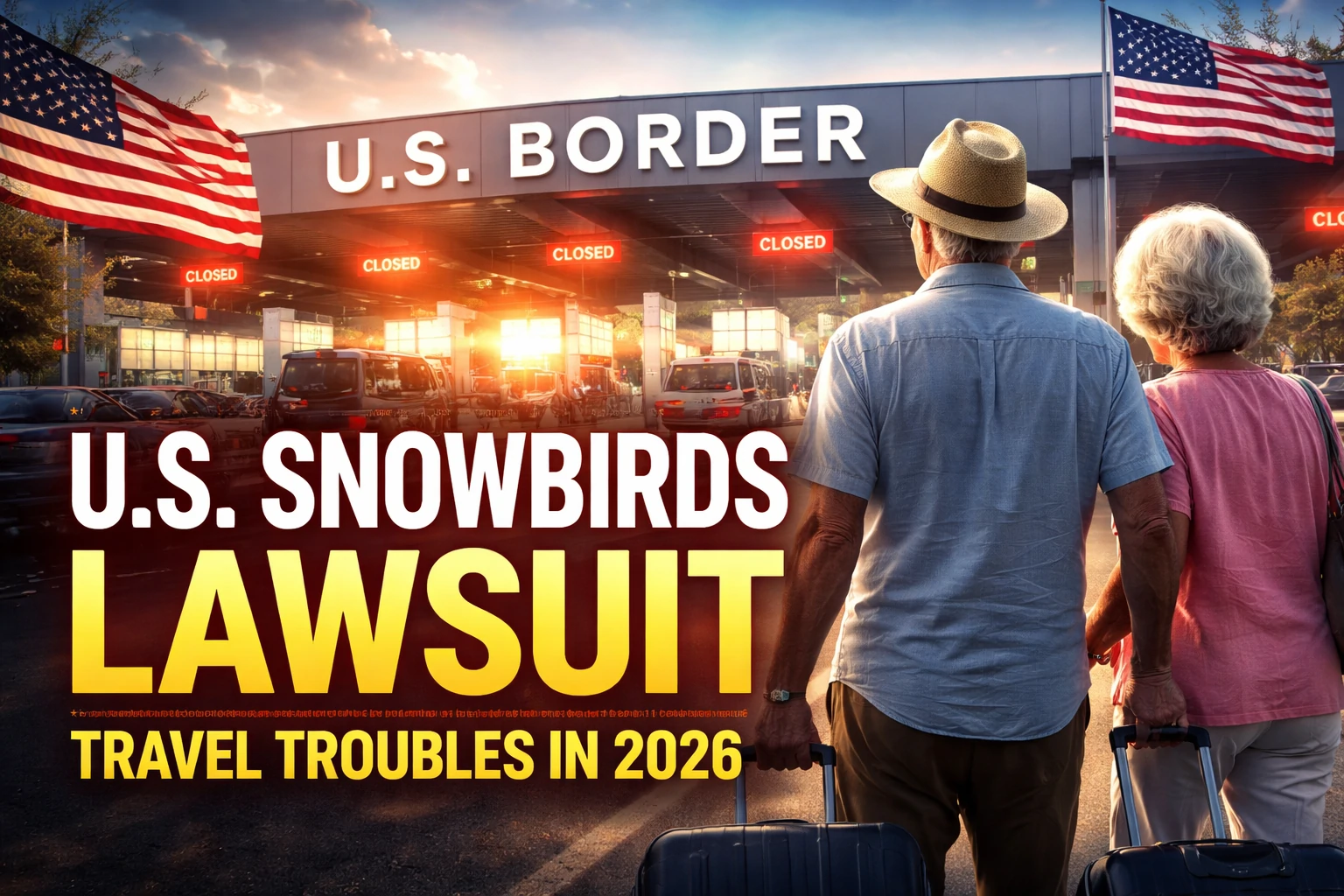
Each year, many Canadians escape the cold by heading south. They pack their bags, lock their homes, and travel to warmer places like Florida or Arizona. These seasonal travelers are often called snowbirds. Their goal is simple. They want sunshine, relaxation, and a break from winter.
Most snowbirds follow the law. They return to Canada within the allowed time. They carry valid passports, maintain their homes back home, and stay out of trouble. But recently, a serious problem came to light. A group of Canadian snowbirds ran into legal trouble at the U.S. border. These travelers were denied entry, flagged by officials, or accused of overstaying.
This unexpected issue turned into a lawsuit. The case caught attention in both countries. It raised questions about digital tracking, fair warnings, and the rights of seasonal visitors. People who followed the rules still faced problems. Some lost access to homes they owned in the U.S. Others felt humiliated after years of peaceful travel.
The snowbirds lawsuit isn’t just about a few travelers. It reflects a shift in border control, where computers play a bigger role than people. In 2026, the case continues to affect those who visit the U.S. for long stays. Understanding what happened, and what comes next can help future travelers avoid the same problems.
How the Trouble Turned Into a Lawsuit
In 2025, several snowbirds filed a case in U.S. federal court. These travelers believed they were wrongly flagged for breaking stay limits. Some said they were turned away at the border without warning. Others claimed the U.S. system counted their days wrong. A few even faced permanent entry bans.
The main problem came from a tracking system. In recent years, the U.S. improved how it counts travel days. Each time a visitor enters or exits, the system logs the movement. This includes air, land, and sea travel. Canada and the U.S. share this data to track non-citizens.
Many snowbirds say they didn’t get clear notice of how the new system worked. They thought short trips home would reset their stay time. Others said their records were incomplete or inaccurate. One traveler from Ontario believed she stayed under the limit. But the U.S. system showed extra days she could not explain.
The lawsuit claims the government failed to give enough guidance. It also says travelers had no fair way to fix errors. People were denied entry based on invisible records. They could not check those records in real-time. This caused confusion, fear, and in some cases, financial loss.
The U.S. Rules That Caused Confusion
U.S. border rules for visitors are strict. Most Canadians can enter without a visa, but only for a limited time. They may stay up to 180 days in a 12-month period. If they cross that line, they risk legal issues, tax problems, or future entry bans.
Every day counts even if someone enters at night or leaves early. A day in the U.S. is still a full day, even if they stay just a few hours. The government does not care how long someone sleeps there. They care about calendar days.
This system caused trouble for snowbirds who thought quick trips home would reset their stay count. It does not work that way. Leaving the country for a few days does not erase previous time spent in the U.S. The total still counts toward the 180-day rule.
Many snowbirds also ran into tax rules. The U.S. has a test called the Substantial Presence Test. If someone meets this test, they may be treated like a tax resident. That means they may owe taxes on income from anywhere in the world. This shocked many who never worked or earned money in the U.S.
How Travel Days Get Counted Now
Many snowbirds guess their total days in the U.S. They often get it wrong. The government counts each calendar day, not just nights. That includes the day someone arrives and the day they leave. Even short visits add a full day to the record.
A traveler may cross the border at night or leave early in the morning. That still counts as one full day. A weekend trip to Canada does not restart the count. Time keeps adding up quietly in the system.
Land crossings may not always log correctly. A missing exit can make it look like someone stayed longer. Travelers may not know there’s a problem until they face a border officer.
To avoid issues, snowbirds must track each day themselves. Memory is not enough. A written log or calendar app helps prevent costly mistakes.
Tax Residency Risks Snowbirds Miss
Spending time in the U.S. affects more than border rules. It also affects taxes. The U.S. uses a formula to decide if someone becomes a tax resident. This rule is called the Substantial Presence Test.
It adds the current year’s days, part of the last year, and part of the year before. If the total is too high, the U.S. may treat the traveler as a tax resident. That means they must report income from all over the world.
Some snowbirds do not know this test exists. They face trouble later when letters arrive or questions come from tax offices. Few expect to owe taxes without working in the U.S.
Planning short stays can avoid this risk. Talking to a tax advisor before travel helps. It is easier to stay safe than fix mistakes later. In past cases, such as the Costco Canada class action lawsuit, unclear policies caused confusion that later led to legal action.
Stories of Denied Entry at the Border
The lawsuit includes stories from many travelers. One woman said she was denied entry at a Florida airport after years of visiting each winter. She had a return ticket and proof she owned a home in Canada. Border agents said her file showed too many days in the U.S.
Another man from Alberta said he was pulled into secondary inspection. Officers questioned him for hours. They asked about phone bills, doctor visits, and other signs of U.S. ties. He tried to explain, but they said his travel record raised red flags. He lost a rental deposit and had to cancel his stay.
In some cases, people said they were treated with suspicion. They felt like criminals even though they had clean records. They asked to see their files, but officials refused. Travelers were told to go home or risk bans.
These stories highlight a bigger concern. Travelers have no simple way to track their days. They can’t always check what the government sees. This puts them at risk even if they try to follow the law.
Can a U.S. Entry Denial Be Challenged?
Getting turned away at the border shocks many travelers. They often don’t know why it happened. Border officers do not always give clear answers. Some travelers leave with no paperwork or proof.
Many ask if they can fix the problem. In some cases, they can. Travelers can request their travel records. They can also speak to a lawyer who knows cross-border law. But results take time and are not always certain.
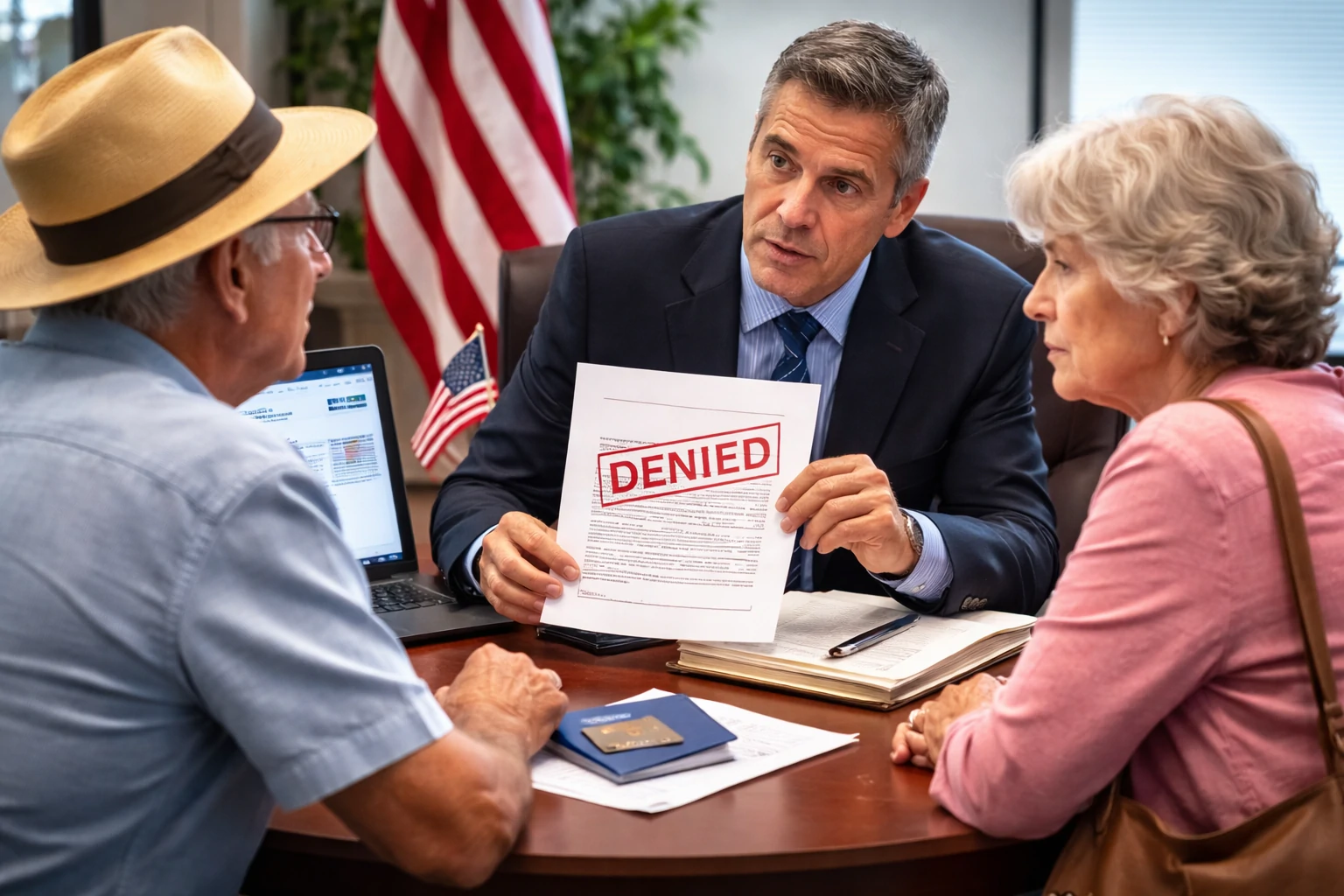
If someone receives a long-term ban, the case becomes harder. A lawyer may request a record review. If the issue came from a system error, a correction may happen.
The best time to act is before travel. Keeping clean records, speaking politely, and avoiding risk helps. Once a denial happens, choices become fewer.
Digital Tracking Creates More Risk
Technology now plays a huge part in border control. Years ago, border agents relied on stamps, questions, and paper records. Now, every crossing goes into a shared digital system. The U.S. and Canada use this data to check who follows the rules.
The system is powerful but not perfect. It may miss land exits. It may count wrong days. Some airports report errors. Some travelers never see a stamp. Mistakes add up, and people pay the price.
Travelers can request a copy of their records, but the process is slow. It may take months. That delay hurts those who travel often. They have no way to fix mistakes before their next trip.
The lawsuit asks the government to fix this gap. It calls for better access to records and a fair system to challenge errors. Without these tools, travelers say they are left in the dark. This mirrors growing legal pressure in other industries, such as the CP4 fuel pump Silverado Sierra lawsuit, where hidden system flaws caused real damage.
How the Lawsuit Shook Confidence
The lawsuit made many people nervous. Snowbirds now ask more questions than ever. Can they still travel? Will they get stopped at the border? Is it worth the risk?
Some people decided to skip the U.S. in 2025. They chose Mexico or stayed in Canada instead. Others delayed buying second homes. Real estate agents in Florida saw a drop in Canadian buyers.
Travel insurance companies also reported changes. People asked if policies cover trip delays or denied entry. Some travelers spent money on extra documents just to feel safe.
The lawsuit did more than raise legal issues. It changed how people feel. Many who once loved their U.S. stays now feel unwelcome. They want answers, not stress. They want to enjoy winter not fear the border.
Government Responses and Delays
So far, the U.S. government has not made major changes. Officials say they follow the law. They admit the system is strict but say it helps with security and tax control. They have not confirmed plans to improve access to travel records.
Canada’s lawmakers have raised the issue. Some members of Parliament want better protection for snowbirds. They say the government must push the U.S. to improve transparency. But action has been slow.
Legal experts believe the lawsuit may bring change, but not fast. Court cases take time. Settlements may offer relief to some, but others could still face problems. Similar issues have appeared in other legal disputes, such as the Todd Creek Farms homeowners association lawsuit, where unclear rules led to widespread concern.
Risks Snowbirds Still Face in 2026
| Travel Situation | Why It Can Cause Trouble |
|---|---|
| Staying close to 180 days each year | Border systems may flag long stays as possible residence |
| Crossing the border often | Frequent trips can raise questions about intent |
| Owning a home in the U.S. | Property ownership may suggest deeper ties than tourism |
| Keeping personal items in the U.S. | Clothes, vehicles, or medical records can raise concerns |
| Working online during a U.S. stay | Remote work may violate visitor rules even if paid from Canada |
| Poor record keeping | Missing dates or receipts can cause tracking errors |
| Relying on memory to count days | Small mistakes can push stays over legal limits |
| Using short trips to reset stay time | Brief exits do not erase earlier U.S. days |
| Ignoring tax thresholds | Passing the presence test may trigger tax duties |
| Trusting verbal advice at the border | Rules can change and verbal guidance is not binding |
How to Stay Safe Before You Travel
Snowbirds need clear advice in 2026. They should plan travel with care. Keep all boarding passes. Note entry and exit dates. Save gas receipts at border crossings. Use a physical calendar or trusted app to count days.
Check the U.S. Customs and Border Protection website. Use the I-94 travel history tool. This helps, but may not show full land records. Still, it’s a start. Ask questions early. Don’t wait for a denial to act.
If someone faces problems, they should write down what happened. Include officer names, location, and details. This record can help later if legal help is needed. Avoid arguing with officers. Stay calm, polite, and clear.
The Bigger Picture
The snowbirds lawsuit is not just about travel. It shows how digital systems can fail. It reminds us that even peaceful travelers need protection. If records can block entry, people deserve a fair way to respond.
This case may shape future travel rules. It may lead to new systems that offer more access and less confusion. But that change will take time. Until then, travelers must stay alert.
The border is not just a line. It is a space where policy meets people. The snowbirds caught in this lawsuit now stand at the center of a debate. Their voices may shape how both countries treat seasonal travelers in years to come.
Final Thoughts for Future Trips
The U.S. travel registration snowbirds lawsuit has changed how many people view long stays across the border. What once felt simple now feels risky. What once felt welcome now feels uncertain.
This article is a warning, but also a guide. It shows how quickly systems can shift and how small errors can cause big trouble. But it also shows that knowledge gives power. Travelers who prepare can still enjoy their trips with peace of mind.
Snowbirds have built friendships, homes, and routines in the U.S. They bring value, care, and calm. They deserve a system that treats them with the same respect. In 2026, the road may feel bumpy, but awareness can light the path forward.
Frequently Asked Questions
Q. What is the U.S. travel day limit for Canadian snowbirds?
Canadian visitors can stay in the U.S. for up to 180 days in a 12-month period. That includes all calendar days, not just overnights. The clock does not reset with short returns to Canada.
Q. Can snowbirds be denied entry even if they followed the rules?
Border agents can deny entry based on system data, not just documents. If travel days are miscounted or records show signs of overstay, travelers may still face problems. Officers make quick decisions and often do not share full details.
Q. How can I check how many U.S. days I have used?
You can use the official I‑94 travel history tool on the U.S. Customs and Border Protection website. It shows air and sea travel records. Land border entries may not appear, so keeping your own log is important.
Q. Does owning a home in the U.S. affect snowbird status?
Owning property in the U.S. does not break any law, but it may raise questions. Officers may ask why you visit often or how long you stay. Clear records and proof of Canadian ties help avoid confusion.