
Lindt has long been known as a trusted name in chocolate. Its golden wrappers and smooth texture make it a favorite for many. But now, the brand is facing serious questions. A new lawsuit has raised health concerns that some buyers didn’t expect.
Reports suggest that certain Lindt chocolate bars might contain small amounts of heavy metals like lead and cadmium. These concerns came to light after lab testing and public warnings. As a result, some loyal customers have started to take a second look.
Lindt isn’t the only brand under fire. Other chocolate makers are also facing legal pressure over similar issues. But when it comes to premium labels, people expect stronger safety standards and full transparency.
Lindt Chocolate Draws Legal Attention
Lindt is a respected Swiss chocolate brand. Its products are sold worldwide. Most people see it as premium chocolate. Many assume its quality is above average. That reputation is now under legal review.
The lawsuit claims that some Lindt chocolate bars contain harmful levels of lead and cadmium. These are heavy metals. They are toxic at certain levels. The lawsuit does not say Lindt added these metals on purpose. It says the company did not warn people about them.
This case is part of a larger trend. Consumer groups and law firms are testing more foods. Many tests now look for heavy metals. Some groups are pushing for stronger food safety rules. As more results come out, more lawsuits follow.
The Lindt case focuses on a duty to warn. If heavy metals are in the chocolate, should the label say so? Some say yes. Others say the levels are too low to matter. But the law cares about clear warnings. That is where the lawsuit begins.
What the Case Is About
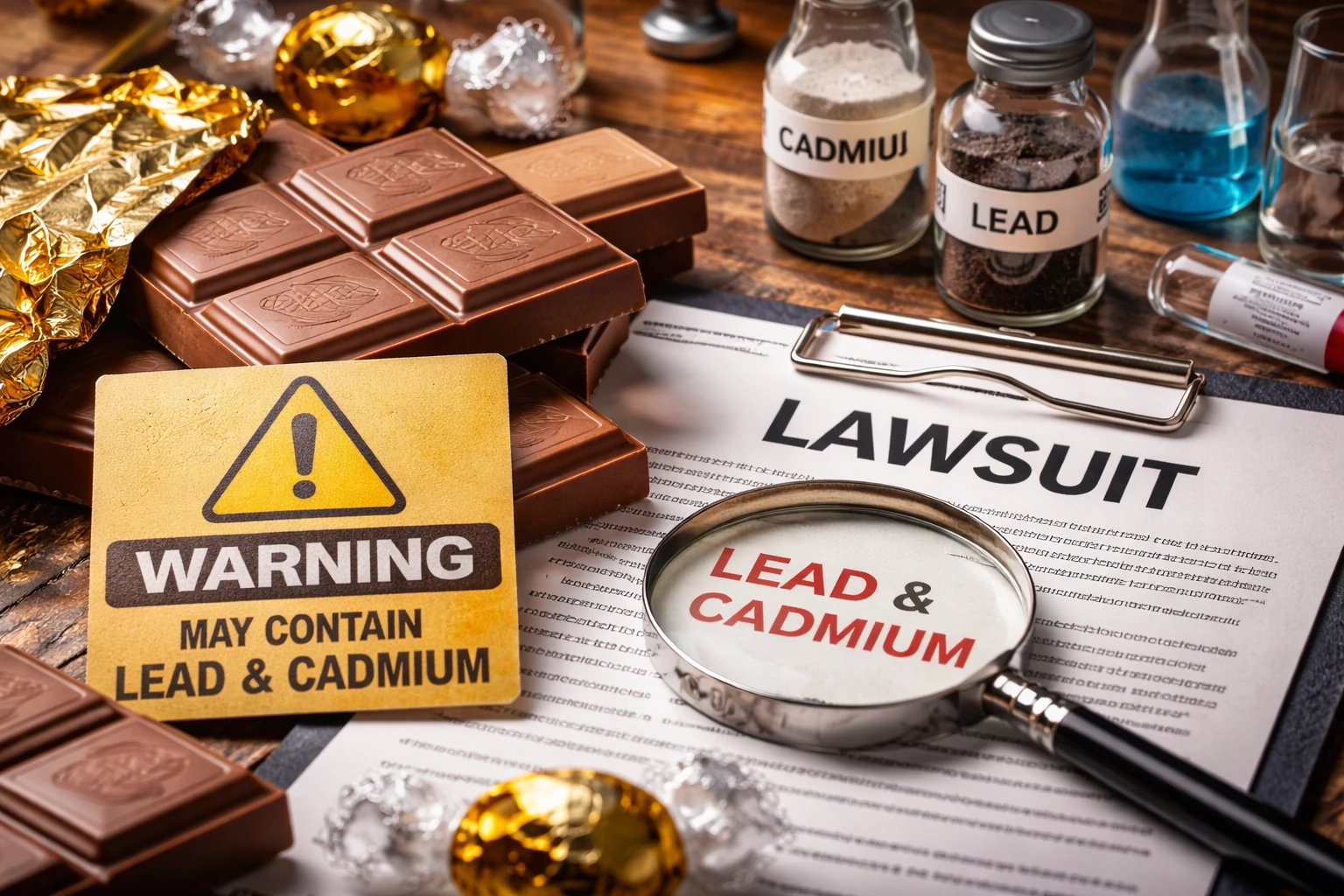
The main claim is simple. The suit says Lindt sold chocolate that may expose buyers to lead and cadmium. These metals can harm health. The legal team says Lindt knew or should have known about this. They say the brand should have warned customers.
This type of claim usually falls under consumer protection laws. The lawsuit may also mention false advertising. If a product looks healthy and pure, but it hides risks, the law may step in.
The case does not accuse Lindt of adding lead or cadmium on purpose. Instead, it says Lindt did not test properly. Or it did not take enough steps to reduce risk. The lawsuit may cite California’s Proposition 65, which requires warnings for products with certain chemicals.
No final judgment has come yet. These lawsuits take time. Courts must check evidence. Lindt has not admitted any fault. The company may defend its testing methods or say the levels are within safe limits.
How Heavy Metals Can Enter Chocolate
Chocolate begins with cocoa plants grown in tropical areas. These plants pull nutrients and minerals from the soil around them. If that soil contains heavy metals like lead or cadmium, the cocoa may absorb them too. This makes the risk part of the growing process.
Cadmium often comes from natural deposits in certain regions. Some countries have higher levels of cadmium in their farmland. Cocoa from these areas may carry more of it. That risk can rise depending on the location and soil quality.
Lead does not always come from the ground. It can enter cocoa after the beans are harvested. Experts believe it may come from dust during drying or through contact with old machinery. Storage and shipping methods may also add risk.
This is not a Lindt-only issue. Many chocolate brands face the same challenge. It starts early in the supply chain and is hard to control without strong testing. Still, buyers expect premium brands to take extra safety steps.
Similar legal claims also affected other products beyond chocolate, like in the Ginger Ale Class Action Lawsuit, where customers raised concerns about misleading marketing.
What The Lab Tests Reported
| Test Detail | Summary |
|---|---|
| Who ran the tests? | Consumer Reports and food safety groups |
| What was tested? | Multiple chocolate bars, including Lindt products |
| What was found? | Some bars had lead or cadmium above California’s daily safety limits |
| Regulatory standard used | California Prop 65 – stricter than federal guidelines |
| Were all Lindt bars affected? | No – some bars passed, but a few exceeded limits |
| Key concern | Long-term exposure from regular consumption |
| Health focus | Children, pregnant women, and daily chocolate eaters |
Is Lindt Chocolate Safe to Eat?
Many health experts say chocolate is safe in small amounts. One bar now and then should not cause harm. The bigger concern comes from daily or repeated use. This matters more for children and pregnant women.
Lead and cadmium do not leave the body quickly. These metals may affect the brain, kidneys, and bones over time. Young children and unborn babies face higher risk. Their bodies absorb more and react faster.
Eating one bar per week keeps your risk low. But if you eat a full bar every day, the risk may rise. The lawsuit raises this concern clearly. It is not about panic-it is about smart habits.
Lindt has not recalled its products. No agency has ordered a stop in sales. Still, public pressure may bring changes to labels. The company may also review and update its safety checks soon.
Smart Steps You Can Take
- Read the label on every chocolate bar you buy.
- Avoid eating chocolate daily space it out during the week.
- Switch brands from time to time to lower long-term risk.
- Mix dark and milk chocolate to reduce exposure to heavy metals.
- Stay updated on lawsuit news and class action developments.
- Check if you qualify for refunds or future legal claims.
- Do not rely on one snack—rotate with fruits, nuts, or low-risk treats.
- Look for brands that publish lab test results on packaging or websites.
- Scan QR codes on wrappers to check for product safety info.
- Support companies that test and share data openly they earn trust.
Where The Case May Go Next
A legal settlement is possible if the court sees strong claims. Many class action cases end this way. A deal might include refunds, label updates, or changes in product testing. These steps often aim to protect future buyers.
Lindt may choose to fight instead of settle. The company could try to dismiss the case early. Or it may request a jury trial and present expert reports. Both sides would bring test results and legal facts into court.
Settlements do not always mean the brand did something wrong. Many companies settle to avoid long and costly trials. Even without guilt, deals can still lead to better warnings or stronger safety rules.
No final result has been shared yet. The case remains open and under legal review. Courts may take months to decide. More updates will come as the process moves forward.
Other Chocolate Brands In The Same Spot

Other chocolate brands also face legal action. Some big names like Hershey’s, Trader Joe’s, and Godiva have been included in test reports. These cases raise concerns beyond one company.
The issue starts with how cocoa grows. Soil in farming areas can hold metals like cadmium and lead. That risk moves into chocolate. Brands must test and control what enters their supply.
Many people expect more from premium labels. These buyers look for strict testing and higher safety steps. That’s why well-known brands often face stronger public pressure.
More shoppers now ask what’s inside their food. Brands must share honest details and respond faster. Clear labels and good safety steps can build trust and avoid future trouble.
How People Reacted To The News
News of the lawsuit surprised many chocolate fans. Some people felt upset and said they might stop buying Lindt. Others chose to wait and read more. Many wanted clear answers before reacting.
The story spread quickly on social media. News websites covered it with bold headlines. Some shared facts and safety tips. Others posted dramatic opinions that added to the confusion.
Experts also joined the conversation. Health writers and lawyers shared advice. Some said the risk was low in small amounts. Others warned parents to be more careful with kids’ snacks.
The public reaction shows people care about safety. They want brands to stay honest. Food labels matter more than ever. Trust grows when companies stay open with their buyers.
How Labels May Change After This
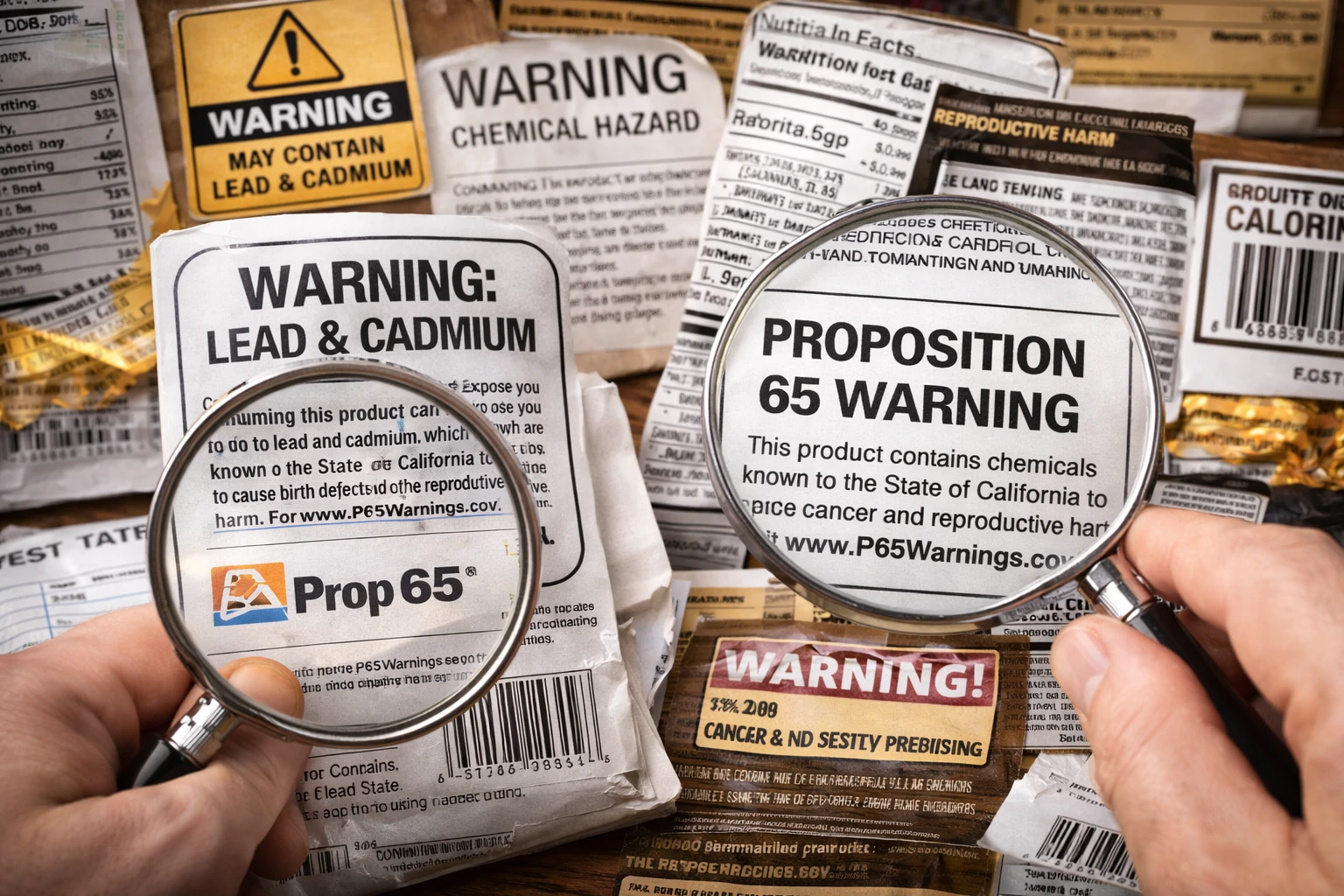
This lawsuit points to a deeper issue in food labeling. Many products do not list every possible risk. Some metals may appear in small amounts without any warning. That leaves many buyers unaware.
California follows stricter laws with Prop 65. It tells companies to list certain risks like lead and cadmium. That is why many food cases start in this state. The goal is simple: protect the public.
Other states may follow this example soon. This could change how labels look across the country. Some brands already prepare for these updates. They run tests and share honest results.
As more people ask questions, brands must respond. Labels may grow longer but also clearer. Smart labels can guide smart choices. Trust begins with honest information.
Look for brands that publish 3rd-party lab test results. This is the most reliable way to know if your chocolate is low in lead and cadmium.
How To Check Chocolate Safety Yourself
- Use trusted sources like Consumer Reports to see food safety tests.
- Check FDA alerts for recalls and harmful product notices.
- Look for Prop 65 warning labels on chocolate sold in California.
- Read the ingredient list carefully before buying.
- Scan QR codes on packaging to access lab test results or safety pages.
- Search recent news or expert food safety blogs for updates.
- Follow health writers who review chocolate brands and legal cases.
- Pick brands that share test data openly online or on their label.
Eating Chocolate Without Stress

Yes, you can enjoy chocolate in small amounts. Most products remain safe when eaten now and then. The risk rises only with daily use over time. Balance helps protect your health.
Choose brands that follow strict testing rules. Look for clear labels and safety claims. Do not rely on one product every day. Switch between different snacks and companies.
If you care for children or have health issues, speak to a doctor. Some people may need extra care with food choices. Trust brands that explain how they test. That adds peace of mind.
Chocolate can still be part of a smart diet. Just stay informed. Read news updates. Pick quality over habit. A little care goes a long way.
Reader Experience:
“I used to eat dark chocolate daily. After hearing about heavy metals, I switched to brands that show lab test results. It gives me peace of mind.” – Daniel R., Texas
Summary
The Lindt lawsuit brings attention to what we eat. People trust well-known brands. But even trusted names must follow strong safety rules.
This case does not prove Lindt chocolate is unsafe. No products were pulled from stores. Still, test results raised fair questions. Some bars showed levels of lead or cadmium that worry health experts. That matters most for children and daily snackers.
You can still enjoy chocolate. Just eat it wisely. Do not rely on one brand every day. Choose products from companies that share test data. Always check your labels and stay alert to news updates.
Food lawsuits often lead to better rules. They also help brands improve their quality. Customers hold the power. Your choices and questions can push companies to act. What you buy today shapes tomorrow’s standards.
Have you stopped eating certain chocolate brands?
Tell us in the comments or join our free newsletter for safe food alerts.
Subscribe Now
If you’re following other major food lawsuits, the Kraft Heinz case is another strong example of how legal action can shape brand accountability.