
Air Canada is under legal pressure from a growing group of passengers. These travelers say the airline refused to return their money after canceling flights. Many received travel credits they never asked for. Some tried to get help but got silence or confusion instead. The result was frustration, loss of trust, and financial harm.
The legal case started during the pandemic when flight cancellations became common. People hoped for support, but many say Air Canada made things worse. Refund requests were ignored. Travel credits came with rules and short expiration dates. Passengers felt trapped.
Now a class action lawsuit is taking shape. The courts are reviewing whether Air Canada broke laws that protect consumers. This lawsuit combines thousands of similar complaints into one strong legal case. The outcome may change how airlines treat passengers in the future.
This article explains what caused the lawsuit, what the court might decide, and how affected passengers can protect their rights. Every detail is based on real events, and the goal is to explain it all in clear, simple terms.
Why Passengers Are Angry
Many travelers paid full price for flights that never happened. They expected refunds. Instead, they received electronic travel credits. These credits often came with short expiry dates or confusing conditions. Some people say they could never use them.
Others say the airline never responded at all. They filled out refund forms, waited on hold, and sent emails. Still, they got no reply. Many gave up after trying for weeks or even months. Some had urgent trips planned for family events. Those moments passed, and the credit was worthless.
This isn’t just about money. Passengers say they were treated unfairly. They believe Air Canada broke its promise. They paid for service, didn’t get it, and were left alone with no help.
What the Lawsuit Claims
The lawsuit says Air Canada violated consumer protection laws. These laws require companies to provide honest service and fair refunds. If a flight is canceled, the airline must either rebook the traveler or return their money.
The legal team behind the case says Air Canada failed in both duties. Instead of refunds, they gave credits. Instead of help, they gave silence. The lawsuit calls this behavior misleading and harmful.
Passengers did not all receive the same treatment. Some were offered limited help. Others received nothing. The court will now review whether the airline acted fairly or if it used the travel crisis to avoid refund obligations.
What Class Action Means
A class action lets people with the same problem join one lawsuit. Instead of thousands of separate cases, the court handles one combined case. This saves time and gives power to people who might not afford their own lawyer.
One person leads the case as the main plaintiff. That person tells their story to the court. Others who faced the same problem are included as class members. They may get money if the court rules in their favor.
This lawsuit includes all people who booked with Air Canada, had their flights canceled, and didn’t get a refund. Some received credits. Some received nothing. All believe they were treated unfairly.
Passenger Rights Under Canadian Law
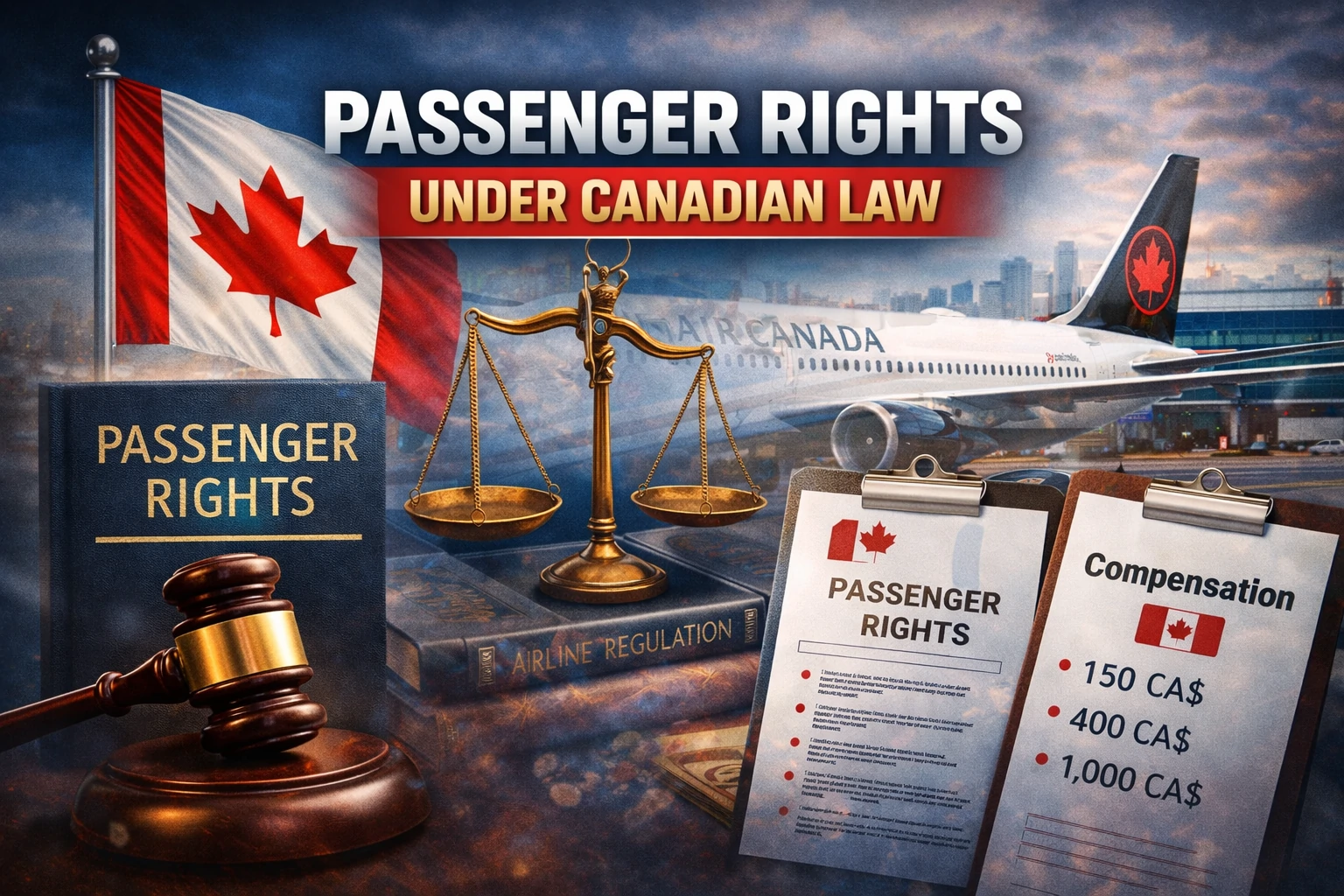
The Air Passenger Protection Regulations (APPR) say airlines must treat customers fairly. If a flight is delayed or canceled, passengers may receive a full refund or be rebooked. The airline must also give clear updates and avoid false promises.
Air Canada’s critics say the airline ignored these rules. Instead of refunds, they handed out credits with limits. Some passengers say they were never told their refund rights. Others say they were given false reasons for not receiving money.
The court will now check if Air Canada followed the rules. If not, it may be forced to repay thousands of passengers.
How the Problem Grew
The trouble began when COVID-19 shut down global travel. Airlines canceled flights across the board. Most travelers understood the crisis. Still, they expected fair refunds.
Air Canada issued travel vouchers instead. These vouchers came with limits. They could expire or become hard to use. In some cases, people couldn’t use them for the same route they had booked.
The legal team began collecting stories from frustrated customers. Some were out thousands of dollars. Others lost the chance to travel for weddings or funerals. When no help came, they turned to the courts.
The class action lawsuit was filed to give these passengers a voice. It aims to force Air Canada to pay back what people believe they are owed.
How Air Canada Defended Its Actions
Air Canada says it acted fairly. It claims the travel credits gave customers flexible options. The airline points to the pandemic as a major crisis. It argues that many people accepted the credits and used them later.
The company also says it followed its own policies. It believes it acted within legal limits. It denies that any passengers were treated unfairly or misled.
The court must now decide who is right. Both sides will present evidence. The judge will review the facts and decide if Air Canada owes money or if the lawsuit fails.
Where Things Stand Now
The lawsuit is still moving through court. The process takes time. Both sides are exchanging documents and statements. The court is reviewing every detail before making a decision.
This lawsuit may take months or even years to finish. The outcome could involve a settlement. That means Air Canada could offer to pay a set amount without admitting guilt. Or the case could go to trial. If that happens, the judge will issue a final ruling.
Either way, this case could set a powerful example for airline behavior in Canada.
Expected Timeline for Payouts
Payouts will not happen until the case reaches a final result. That could take months or even years. The court must first decide if Air Canada is responsible. Then it must approve any payout plan. If the airline offers a settlement, the court will review and approve it before payments begin.
Even after a win or settlement, delays can happen. The legal team must collect claim details, verify documents, and decide how much each person gets. This step often takes time, especially in large class actions.
You can track payout updates through the law firm’s official website. They may post a payout date or a timeline after the court gives approval. Until then, it is best to save your documents and wait for further instructions.
What’s the Status of the Case in 2025?
As of 2025, the Air Canada class action lawsuit stayed active in court. Both legal teams submitted evidence, shared legal arguments, and waited for the court to move forward. The judge had not made a final decision. Passengers, lawyers, and consumer groups watched closely as each step unfolded.
No payout schedule was released in 2025. The court had not approved any settlement. Many passengers were still waiting for updates. Some law firms posted limited progress reports, but no major ruling had been confirmed. Passengers were told to stay alert and follow official sources for the latest changes.
Class action lawsuits take time. Courts must review every detail before making a ruling. The full decision on liability and payouts did not arrive in 2025. If a settlement happens in early 2026, it will likely reflect the groundwork built during 2025. Most passengers may not see payments until late 2026, depending on how the case moves next.
Legal pressure on airlines is not the only concern for Canadian travelers. Many snowbirds are also dealing with a U.S. travel registration lawsuit over new rules that impact long-term visits to the United States.
How to Check If You’re Included
If you booked a flight with Air Canada and didn’t get a proper refund, you may already be part of the lawsuit. Most class actions include eligible people automatically. You don’t have to file your own lawsuit.
- Booking emails or confirmations
- Refund request forms or screenshots
- Email replies from Air Canada (if any)
- Bank statements showing ticket purchases
You can also check the website of the law firm handling the case. They will share updates and offer ways to check if you qualify. There is no fee to join. Lawyers are paid only if they win or settle the case.
How to Sign Up for the Lawsuit
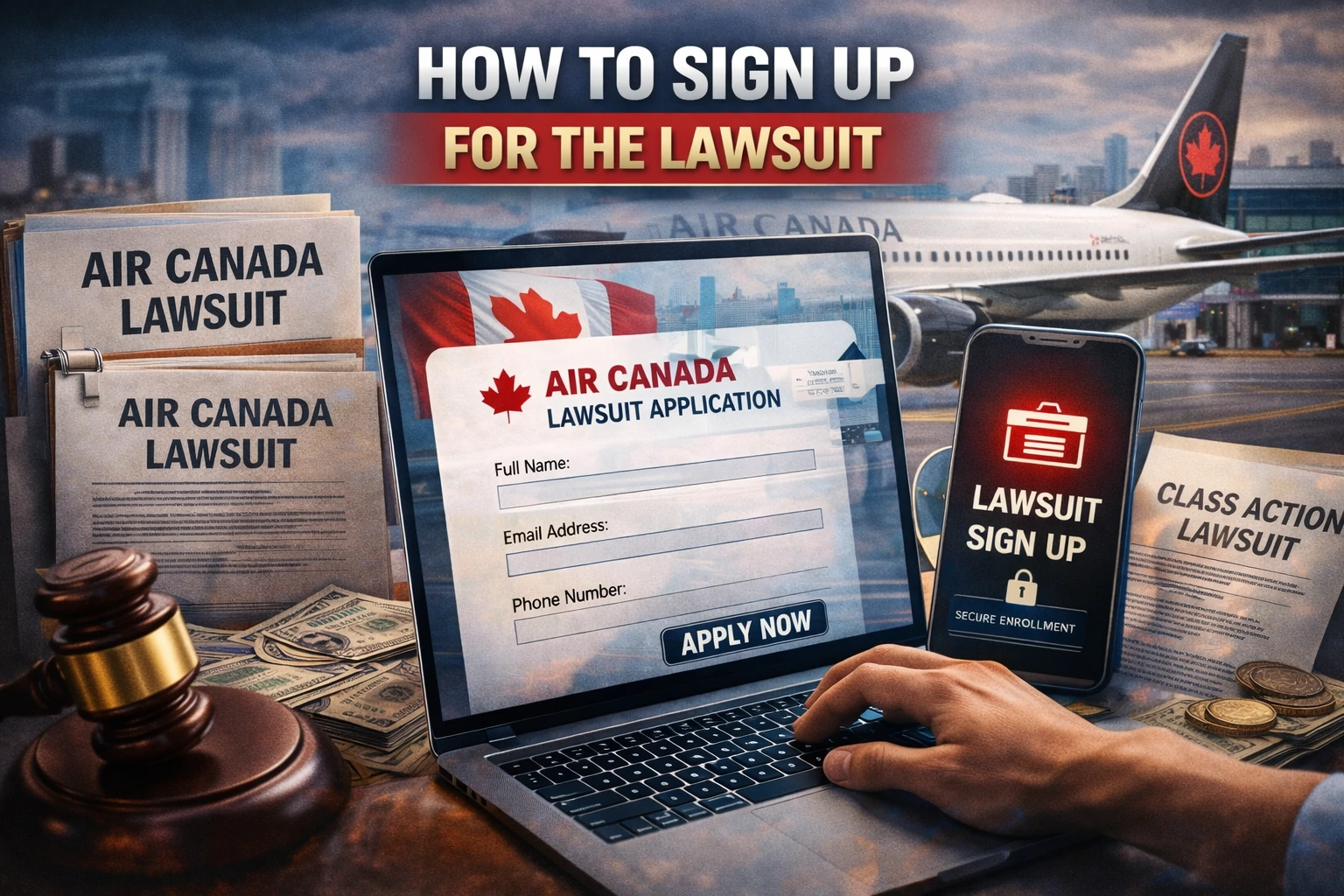
Most passengers don’t need to take extra steps to join the Air Canada class action. If you booked a flight that was canceled and didn’t get a proper refund, you may already be part of the case. Courts usually include all qualifying people automatically.
Still, some legal teams may open a sign-up page. These pages collect your name, contact details, and flight information. This helps them update you about progress or payout options. It also confirms that your situation matches the group’s claim.
To be safe, visit the official law firm’s website managing the case. Look for a class action registration or check eligibility page. Only use trusted legal sources. Do not share personal documents with third-party sites. If your email shows a lawsuit offer, always double-check the sender before clicking any links.
What the Court Might Decide Next
| Outcome | Details |
|---|---|
| Court rules against Air Canada | The airline may owe millions in refunds and damages |
| Refunds issued | Passengers who qualify could receive full or partial refunds |
| Extra compensation added | Payment may include stress, delays, or lost opportunities |
| Policy changes enforced | Court may require Air Canada to improve refund rules and booking systems |
| Staff retraining | The airline may need to train staff for better customer service |
| Travel credit rules reviewed | Credit expiration dates or restrictions may be changed |
| Settlement possible | Air Canada might offer a payout without admitting guilt |
| Case goes to trial | If no deal is reached, the court will make a final ruling |
| No refunds if Air Canada wins | Airline keeps current policy, but public trust may still suffer |
If Air Canada wins, the case ends with no refunds. The airline keeps its current rules. But even then, public trust may take a hit.
Possible Refunds and Compensation Types
If the court rules against Air Canada, passengers may receive money back. The amount will depend on what the court approves and what each person lost. Some passengers may receive a full refund. Some may receive partial payment, based on their flight type and proof.
In many class actions, the court approves a payout fund. This means the airline pays one large amount into a settlement pool. Then the money gets divided among eligible passengers. The legal team may also take approved fees from this fund, which is common in class action cases.
Passengers may receive different types of compensation, such as:
- Cash refund for unused flight tickets
- Refund for extra services like baggage fees
- Refund for paid seat upgrades or add-ons
- Extra compensation in rare cases where a passenger faced major loss because refunds were refused
Still, payouts often depend on proof. Passengers who saved receipts and refund request emails usually have stronger claims. The court may also set a maximum payout limit per person. That depends on how many people join the claim process and how large the final payout fund becomes.
How Travelers Are Reacting Online
Many travelers support the lawsuit. They believe large companies must follow the law, even in hard times. Some say Air Canada lost their trust forever. Others say they will never fly with the airline again.
Consumer groups have also supported the case. They believe passengers need stronger protections. They want better refund rules across the travel industry.
At the same time, some people side with Air Canada. They say the airline did its best in a crisis. They believe refunds were hard to manage during mass shutdowns.
Both sides will have their say in court. The final decision will come down to facts and law.
Some passengers have also joined other legal efforts against different airlines. See this WestJet passenger delay lawsuit update to compare how other cases are moving forward.
Closing Thoughts
The Air Canada class action lawsuit reflects a larger issue in modern travel. When flights get canceled, customers deserve fairness. People trust airlines with their money and their plans. That trust breaks when service fails.
This case gives passengers a chance to speak up. It asks the court to review the facts and hold the airline accountable. It may take time, but the result could help set clear rules for future travel.
If you are a traveler affected by Air Canada’s refund practices, stay informed. The outcome could impact not only your case, but the entire travel industry in Canada.