How Robocalls Became a Legal Problem
Robocalls once focused on basic telemarketing. Technology changed that pattern. Automated systems now place thousands of calls each minute. Cheap software and internet voice services allow bad actors to operate from almost anywhere.
Scam calls create serious damage. Some target seniors with fake tax threats. Others claim to offer loan relief or prize money. Many people lose savings because they trust the voice on the line. Emotional harm also occurs when victims feel embarrassed or stressed.
Public complaints increased over the last decade. State consumer protection offices report steady growth in call reports. Federal agencies also track this trend. The volume of unwanted calls pushed lawmakers to demand stronger enforcement.
Attorneys general stepped into this space with greater force. They began to send formal warning letters to companies suspected of illegal robocall activity. These letters serve as both notice and pressure. Businesses that ignore them may face lawsuits or heavy fines.
How a State Attorney General Gets Involved
Each state appoints an attorney general as its chief legal officer. This office enforces state laws and protects consumers from unfair practices. It can file civil lawsuits when companies break the rules. The attorney general also handles other legal authority matters, such as issues explained in this guide on power of attorney vs conservatorship.
Consumer protection stands at the center of this role. Many offices operate complaint hotlines and online forms. Staff review reports and look for patterns. When evidence shows possible illegal robocalls, the office may send a formal warning letter before filing suit.
A warning letter signals that the state has collected facts. It outlines alleged violations and demands corrective action. Companies receive a chance to respond and fix the issue. Legal action may follow if misconduct continues. Attorneys general often join forces across states, which strengthens enforcement and increases pressure on large call networks.
What a Robocall Warning Letter Contains
A robocall warning letter follows a formal format. It names the attorney general’s office as the sender. It identifies the company under review. The letter explains the conduct that raised concern and outlines the facts the state has gathered.
Most letters cite state and federal telemarketing laws. They describe alleged violations in clear terms. The office may reference consumer complaints, call records, or call scripts. Some letters mention spoofed numbers or lack of consent as key issues.
The document demands corrective action. It may order the company to stop certain calls at once. Some letters request written confirmation of compliance. Others require business records that show call practices. A response deadline appears in the notice. Failure to reply can lead to a lawsuit or financial penalties.
What Is a Robocall Warning
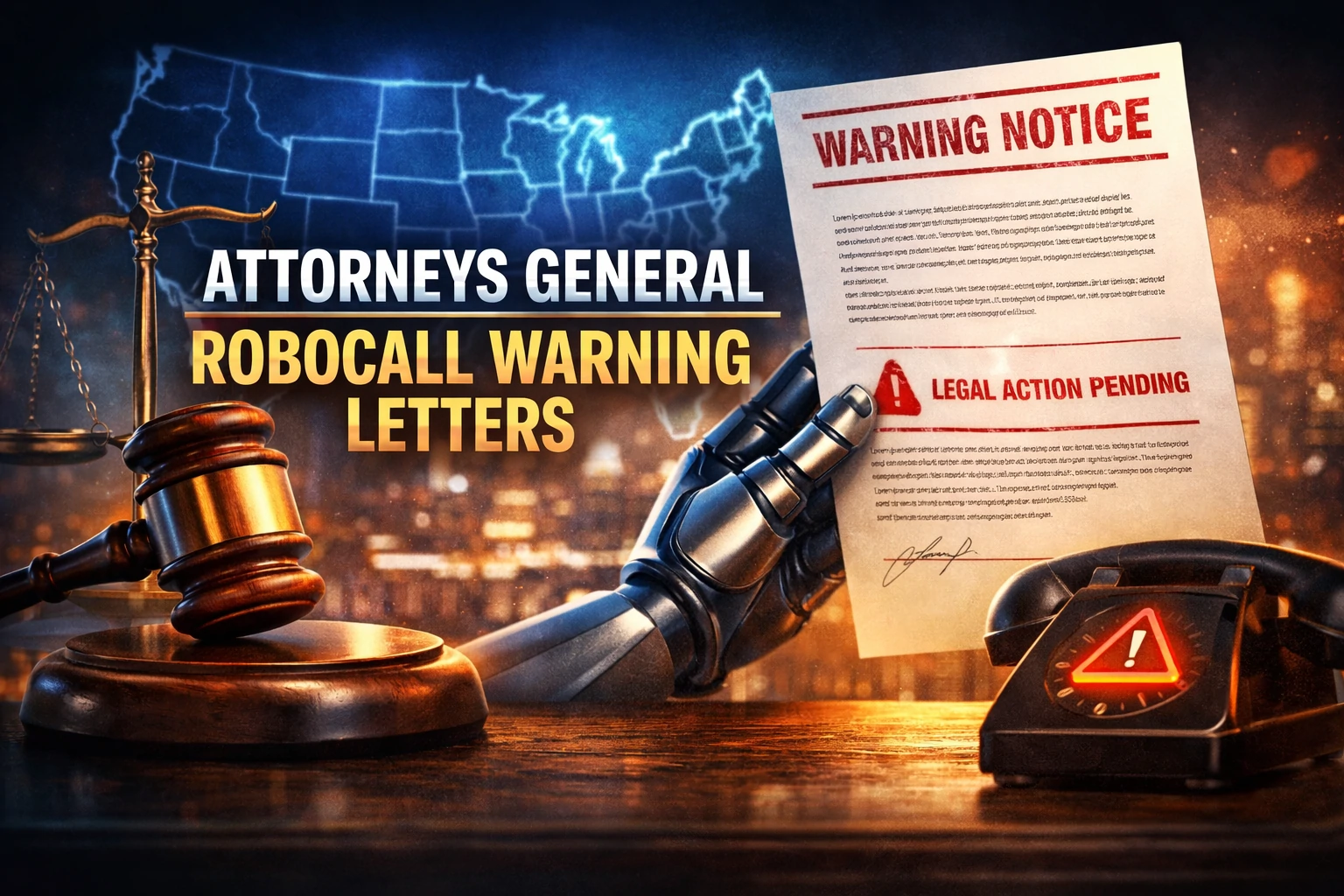
A robocall warning is a formal notice from a state attorney general to a company suspected of illegal telemarketing. It informs the business that its call practices may violate consumer protection laws. The letter does not begin a lawsuit, but it warns that enforcement could follow.
The notice outlines the suspected violations and may cite complaints or call records. It sets a deadline for the company to respond and correct the issue. This step protects consumers and gives the business a chance to comply before the state pursues legal action.
Laws That Support These Actions
Robocall enforcement relies on both federal and state laws. States often cite their own consumer protection acts. Federal law also plays a major role.
The most common federal law is the Telephone Consumer Protection Act. This law limits automated calls and text messages. It requires consent in many situations. Violations can result in large fines.
Another important statute is the Telemarketing Sales Rule. This rule covers deceptive sales practices. It also supports the National Do Not Call Registry. Companies must check this list before placing certain calls.
Below is a simple overview of key laws:
| Law | Main Purpose | Enforcement Level |
|---|---|---|
| Telephone Consumer Protection Act | Limits automated calls and texts | Federal and state |
| Telemarketing Sales Rule | Stops deceptive telemarketing | Federal |
| State Consumer Protection Acts | Prevent unfair business practices | State |
States often combine these laws when drafting warning letters. This approach increases legal weight.
Why States Send Warning Letters Instead of Filing Suit First
Litigation costs time and money. Courts require evidence, hearings, and formal filings. A warning letter can resolve the issue faster.
Letters create a clear record. They show that the company received notice. If violations continue, the state can show that the company ignored official warnings. Judges often consider that factor.
Compliance after a letter saves public funds. Many businesses adjust practices once they understand the risk. This outcome benefits both sides. Consumers gain protection. The state avoids long court battles.
Public pressure also matters. Some offices publish warning letters online. News coverage can harm a company’s reputation. Many businesses choose to fix problems rather than face public scrutiny.
How Companies Typically Respond
Companies respond to a robocall warning letter in different ways. Their actions often fall into these categories:
- Review internal call practices and compliance policies
- Hire legal or compliance experts to assess risk
- Suspend or end contracts with third-party call centers
- Provide written explanations or documentation to the attorney general
- Deny the allegations and argue that proper consent existed
- Claim that independent contractors placed the calls
- Ignore the letter, which may lead to lawsuits and financial penalties
The speed and clarity of the response can affect what happens next. A timely and transparent reply may reduce legal risk. Silence or delay can increase exposure and push the matter toward formal court action.
Multi-State Robocall Enforcement Efforts
Robocall operations often cross state lines. A scammer in one state can target residents nationwide. State attorneys general recognize this pattern.
Joint investigations have become more common. Offices share complaint data and technical information. Coordinated warning letters send a stronger signal.
Large enforcement actions sometimes follow. Multi-state lawsuits increase financial penalties. Companies that operate nationally face unified pressure.
The impact extends beyond one case. Warning letters in one state often alert others. A pattern of misconduct can trigger broader investigations.
How Telemarketing Practices Changed
Stronger enforcement changed telemarketing standards. Many companies now use compliance tools to track consent and call records. Businesses confirm approval before automated calls. Internal reviews have become more common.
Phone carriers improved call authentication systems. These tools help detect spoofed numbers and block suspicious traffic. Regulatory pressure drove these changes. Telemarketers now face closer oversight, and companies keep clearer records to reduce legal risk. Consumers see some relief as enforcement limits abusive practices.
How Consumers Can Report Robocalls
Consumers play a central role in enforcement. Reports help attorneys general identify trends. Detailed complaints strengthen investigations.
Most states offer online complaint forms. Callers should save call logs or voicemail messages. Screenshots of text messages also help.
Below is a short checklist for reporting:
- Record the date and time of the call
- Note the number shown on caller ID
- Save any message or script
- File a complaint with the state attorney general
Accurate details improve the chance of action. Offices often rely on patterns across many complaints.
Challenges in Stopping Robocalls
Technology changes at a fast pace. Scammers adjust their tactics when enforcement increases. Some shift operations overseas. Others rely on new voice tools to avoid detection. This constant change makes oversight harder.
Caller ID spoofing remains a serious problem. Fake numbers hide the real source of the call. Investigators need technical support from telecom providers to trace these networks. Jurisdiction limits also create barriers when actors operate outside the country. Even with these obstacles, warning letters still prove effective in many domestic cases and help hold companies accountable.
Financial Penalties and Legal Consequences
Failure to comply can lead to serious legal action. Courts may issue injunctions that stop robocall activity at once. Judges can also impose monetary penalties based on the number of violations.
Federal law allows fines that reach thousands of dollars per illegal call. State laws may add separate penalties. In major cases, total liability can climb into the millions. Courts may also order restitution, which requires companies to repay victims. The risk of large financial loss often pushes businesses to comply after a warning letter.
Real-World Trends in Recent Years
Enforcement trends show increased coordination between states and federal agencies. Attorneys general now issue more public statements about robocall crackdowns. Transparency strengthens deterrence.
Technology companies also assist enforcement. Telecom carriers deploy call-blocking tools. Data analysis improves the ability to track call patterns.
Public awareness campaigns support legal action. Education helps consumers avoid scams. Warning letters often appear alongside these outreach efforts.
The overall approach combines prevention and enforcement. States aim to reduce harm before it spreads.
A Few Important Takeaways
Robocall warning letters serve as a strong tool in consumer protection. They notify companies of alleged violations and demand immediate change. This approach often stops illegal conduct before court action becomes necessary.
State attorneys general use these letters to protect residents from fraud and harassment. Cooperation between states increases impact. Consumers also help through accurate reporting. Although challenges remain, warning letters remain a key step in the fight against unwanted automated calls.
Common Questions People Ask
Q. What is a robocall warning?
A robocall warning is a formal notice from a state attorney general to a company. It states that the company may have broken telemarketing laws. The letter gives the business a chance to fix the issue before the state files a lawsuit.
Q. Why am I getting so many robocalls?
Auto dial systems can place thousands of calls in minutes. Scammers often use leaked or public phone data. New operators enter the market often, which keeps call volume high.
Q. How can I identify a robocall?
A robocall often uses a recorded voice. The call may pause before the message starts. Many scam calls create urgency or demand quick payment. A strange or mismatched caller ID can also signal risk.
Q. What happens if I answer a robocall?
Answering can confirm that your number is active. Some systems may target your number again. Sharing personal or payment details increases risk.
Q. Why did my business receive a robocall warning letter?
The state may believe your call practices break consumer laws. The letter outlines the suspected violations and sets a response deadline. Legal action may follow if the issue is not resolved.