
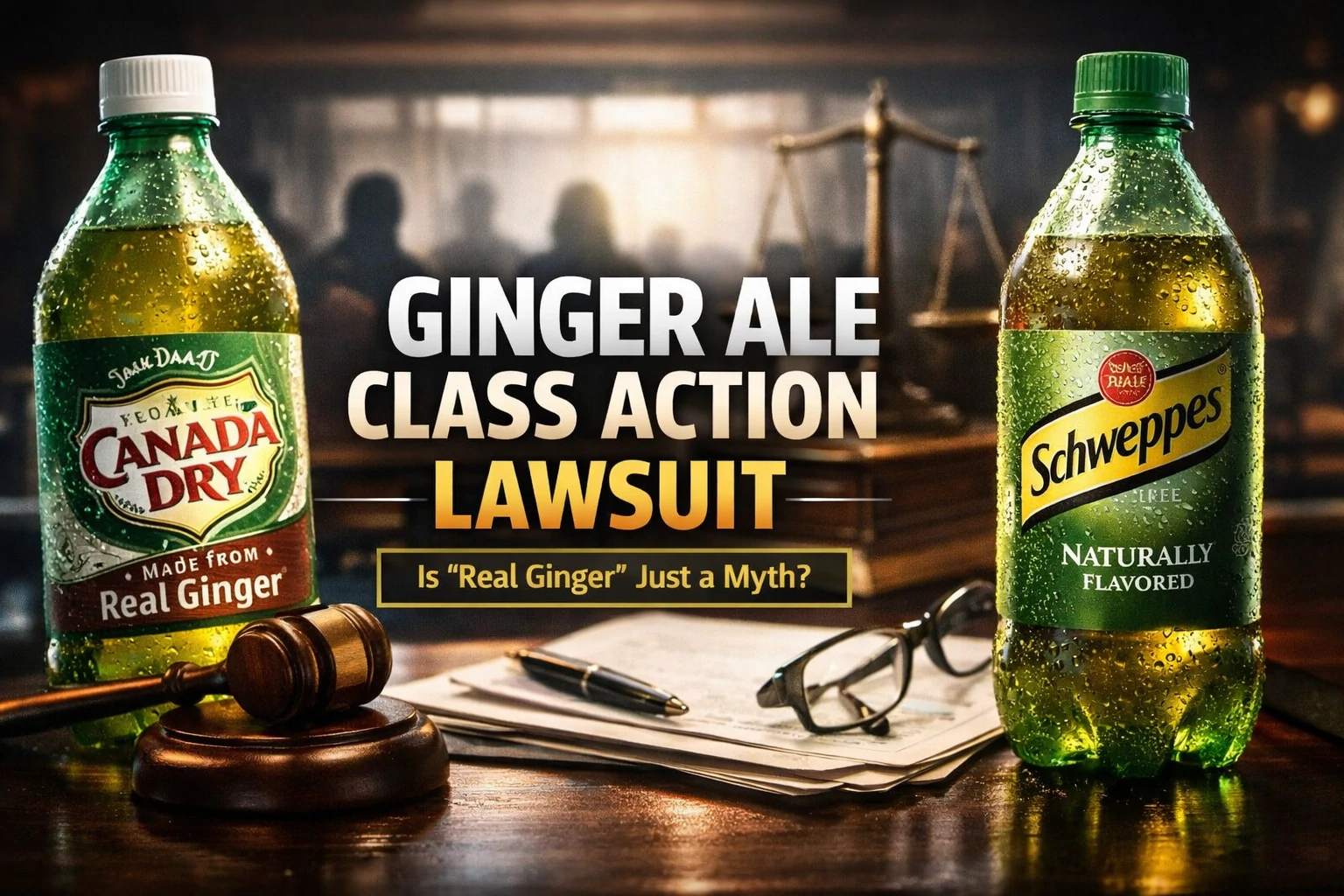
Ginger ale has been a household favorite for decades. Many people drink it for its crisp taste. Others reach for it when they feel sick or need something light.
Brands like Canada Dry and Schweppes built trust with one bold claim: Made with Real Ginger. This label gave their product a healthy, natural image. But recent legal actions say that claim may not be true.
Across the U.S. and Canada, consumers are filing lawsuits. They argue that ginger ale contains little or no real ginger. They feel tricked. Courts are listening.
If you have ever bought one of these drinks, this case might matter to you. This article explains everything. You will learn what started the case, who can join, how to file a claim, and what the outcome could mean for your rights as a shopper.
What Sparked the Ginger Ale Class Action Lawsuit?
The main problem is the phrase Made from Real Ginger. This message appears on bottles, cans, and ads. It leads people to think they are drinking something healthy. But studies and lab tests show a different truth.
Some brands do not include real ginger at all. Others use such small amounts that they offer no real benefit. The flavor often comes from chemicals made to taste like ginger. This creates a gap between what the label says and what the drink contains.
When buyers found out, they took action. Many said they would not have bought the drink if they knew the truth. This led to a series of lawsuits. People want justice. They want companies to stop using misleading words. That is how the ginger ale class action lawsuit began.
What Is a Class Action Lawsuit?
A class action lawsuit lets a group of people sue a company together. The group has the same complaint. One person or a few lead the case, but the outcome helps all who join.
This type of case is useful when many buyers suffer from the same issue. It saves time, lowers legal costs, and gives buyers more power in court. In this ginger ale case, consumers from many places joined one legal fight.
If the court agrees the group has a case, the lawsuit moves forward. Then the court may approve a refund or rule in favor of the company. Either way, the class gets an answer together.
If you want deeper insight into the Kraft Heinz settlement process, check out: Kraft Heinz Class Action Lawsuit: Payout, Claims & Rights
Which Brands Are Involved?
The two biggest brands in the spotlight are Canada Dry and Schweppes.
Canada Dry used the phrase Made from Real Ginger for years. It became part of their brand image. But tests showed the drink may not have real ginger in any helpful amount. As a result, several lawsuits were filed in different states and provinces.
Schweppes also used similar phrases. Some labels said the drink was naturally flavored. Consumers say these claims are vague. They feel the brand gave the impression that it used real ginger when it did not.
Both companies deny doing anything wrong. But the lawsuits continue. Some cases have reached settlement. Others are still in court.
Is There No Ginger in Ginger Ale?
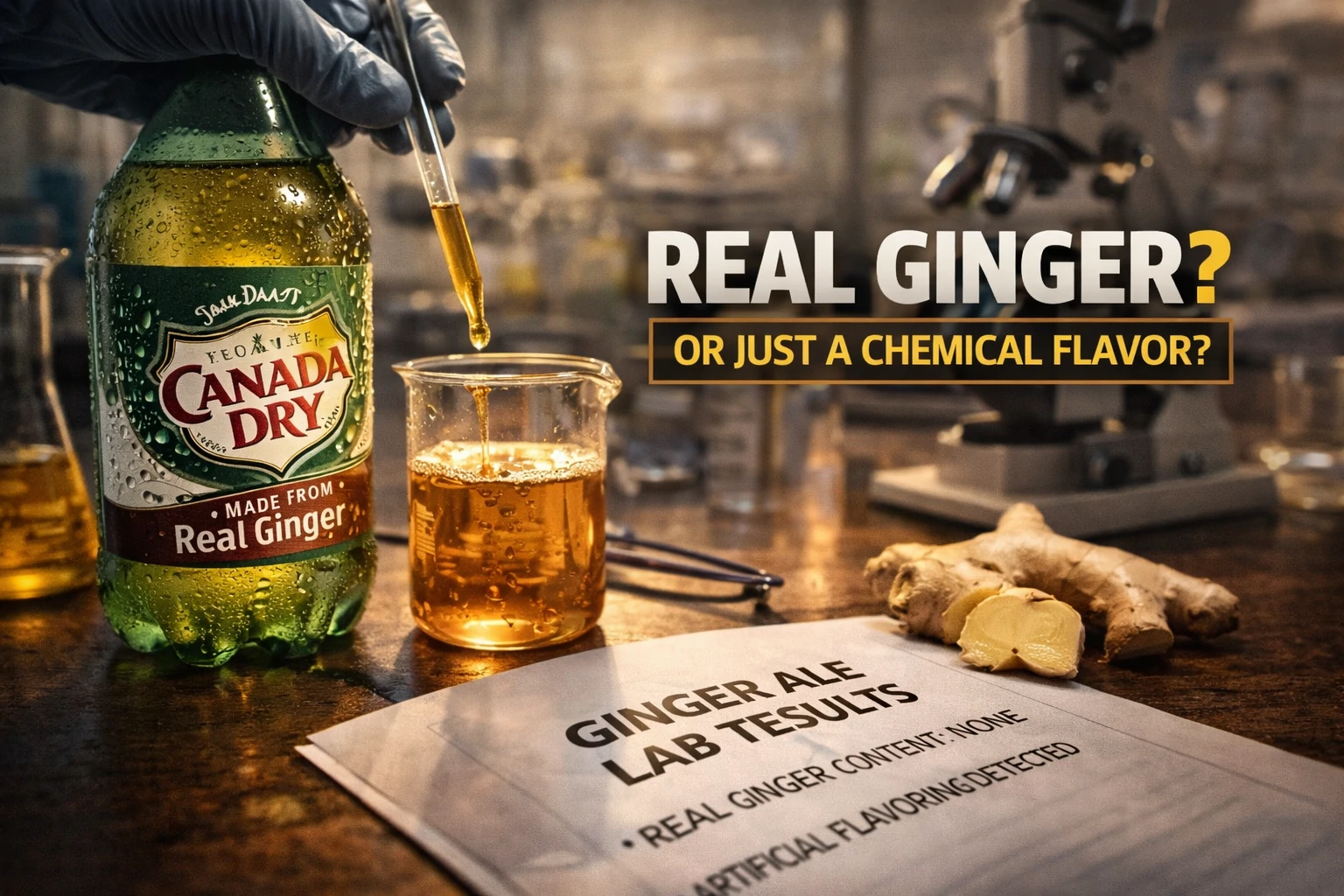
This is the big question. Many people search for answers using terms like “no ginger in ginger ale lawsuit.” The short answer is yes-some ginger ales do not contain real ginger. Others use small amounts that are so refined, they offer no true value.
Tests have shown that many drinks only use artificial flavoring. These flavors mimic the taste of ginger but do not come from fresh root. This is where the problem starts. The label says one thing. The drink delivers something else.
This mismatch led to legal action. Consumers believed they were buying a natural product. They say the label misled them. Courts are now reviewing if that claim is valid under consumer protection laws.
Canada Dry Lawsuit 2025: What’s New?
In 2025, new legal updates have surfaced. The Canada Dry class action lawsuit continues in several regions. Some courts approved settlements. Others are still reviewing the evidence.
The most recent cases focus on label wording and customer expectations. Judges want to know if the phrase “real ginger” made people believe the drink had health value. Plaintiffs argue that it did.
Some courts agree. They say the label could confuse an average buyer. That’s why some settlements are already in motion. These include refund options and label changes.
Canada Dry Class Action in Canada

In Canada, the class action lawsuit against Canada Dry started in British Columbia and later spread to other provinces. The main concern is the same as in the U.S. Buyers say they trusted labels that claimed the drink was made with “real ginger.” When they learned the product had little to no actual ginger, they felt misled.
Class action rules in Canada are slightly different from those in the United States. Still, the core steps remain familiar. A court must first approve the case. Once that happens, official notices are sent out to eligible consumers. These notices explain the case, your rights, and how to take part.
If you bought Canada Dry ginger ale in Canada during the listed years, you might qualify. You could receive a refund or be part of a settlement if the court decides in favor of the buyers. The best way to know is to check official updates and act before any deadlines pass.
Ginger Ale Class Action Lawsuit Sign Up
Many shoppers want to know how to join this case. That is why searches for ginger ale class action lawsuit sign up keep growing. The good news is the process stays simple if you qualify.
Start with your purchase history. Check if you bought ginger ale from brands like Canada Dry or Schweppes. Look at the dates carefully. Most cases cover products sold from 2013 through recent years.
Next, visit the official case website if one exists. Courts usually approve a dedicated page for the lawsuit. This page explains who can file and what steps to follow.
Once on the site, find the sign-up or claim section. Enter your details and submit the form before the deadline. A receipt is not always required. Some claims allow a sworn statement instead.
See If You Are Eligible to File a Claim
You may qualify if you bought Canada Dry or Schweppes ginger ale in recent years. Most claims cover purchases made between 2013 and 2021. Some areas may include later dates, so timing matters.
Location also plays a role. You do not need to live only in the United States. Some cases include Canadian provinces as well. Always check the official notice for your region.
Proof helps but is not required in every case. Many people no longer have receipts. That does not always block you from filing.
If you kept a bottle, receipt, or store loyalty record, use it. These details may increase your payout. Some claims also allow sworn statements if proof is missing.
Where to Find the Claim Website
Claim websites usually appear only after a court gives approval. These official pages explain the process in simple steps. You will see deadlines, instructions, and the correct claim form in one place.
Start with trusted sources. Websites like TopClassActions.com often list active claim pages. You can also check your local government or consumer protection website.
Another safe option is a direct search. Type the lawsuit name along with the words official claim site. This often leads you to the court-approved page.
Always double-check before you submit anything. Avoid sites that ask for payment or rush you. Real class action claim websites are free, secure, and safe to use.
Ginger Ale Lawsuit Claim Form: What to Know
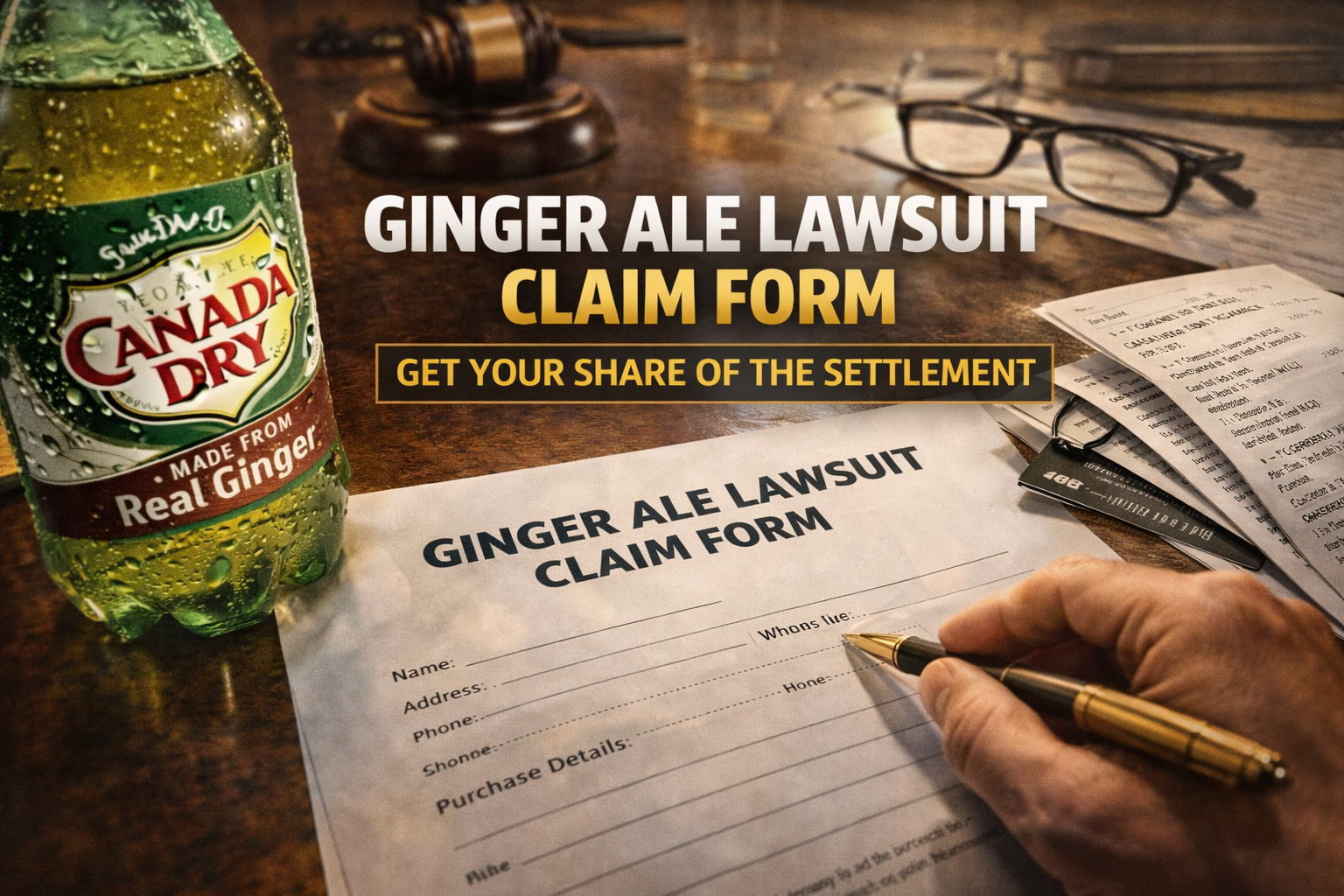
The claim form is how you ask for your share of the settlement. It is the only official way to get paid. Filling it out correctly matters.
The form asks for simple details. You provide your name, contact information, and a general idea of when and where you bought the ginger ale. The process usually takes only a few minutes.
Some claim forms do not require proof. You may only need to confirm your purchase honestly. Other forms offer a higher payout if you upload receipts or card records.
Read every section before you submit. Missing the deadline can block your payment. If the court approves the settlement and no appeals follow, payments often begin a few months later.
I used to drink Canada Dry daily. I believed it was a healthier option because of the ‘real ginger’ label. When I found out it wasn’t true, I felt cheated. Filing the claim was easy, and I got a small refund without proof.
– Sarah M., California
How Much Money Can You Get?
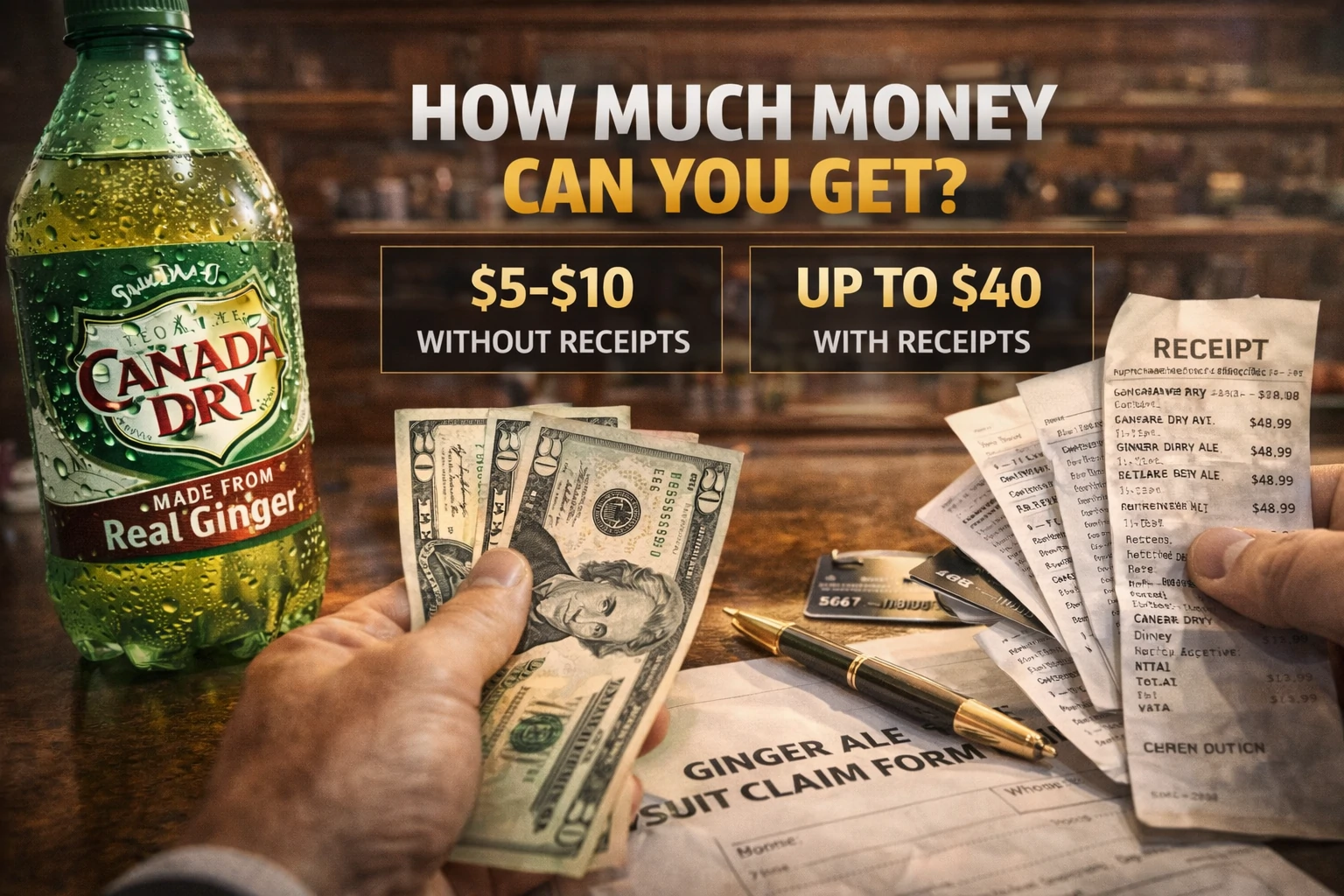
The refund amount depends on several factors. It varies based on how much ginger ale you bought, how many people file claims, and the total money set aside in the settlement. Courts often approve a fixed payout fund, which gets split among those who qualify.
If you file without proof of purchase, you may receive around $5 to $10. If you upload receipts or bank records, your payment could go higher-sometimes up to $40 or more. The more claims the court approves, the smaller each person’s share may become. That is why filing early helps.
Even if the payout seems small, many people still file. A refund is not just about money. It also shows that false advertising matters. When enough people take action, companies feel pressure to stay honest in the future.
Factors to Consider Before Joining the Case
Most people decide to join the class action. It takes just a few minutes and does not cost anything. You may receive a small payment without going to court or hiring a lawyer. More than that, joining shows companies that they cannot make false claims and get away with it.
Some people choose to opt out. This means they do not take part in the group case. They keep the right to sue the company alone. But very few people follow this path. It often takes more time, more effort, and legal help. Most consumers do not want that burden.
If you ignore the case, you may miss your chance to act. Class actions have deadlines. If you miss the date, you give up your right to get paid or take further legal steps. That’s why it is important to respond once you receive notice or find the claim page online.
Can This Change Future Labels?
Class action lawsuits often spark more than just refunds. They push companies to fix their labels and rethink their promises. Misleading words like “real ginger” may disappear from bottles. New packaging may include clearer terms that match what’s inside.
These cases send a message loud and clear-consumers read the fine print. They care about truth. When brands twist words, legal action follows. That pressure forces others in the industry to think twice before making bold claims.
Even a small payout shows the power of speaking up. Every claim adds weight to the fight for honest advertising. Real change starts with one person choosing to act. Over time, that choice can shift how products are sold across the board.
What Every Shopper Should Keep in Mind
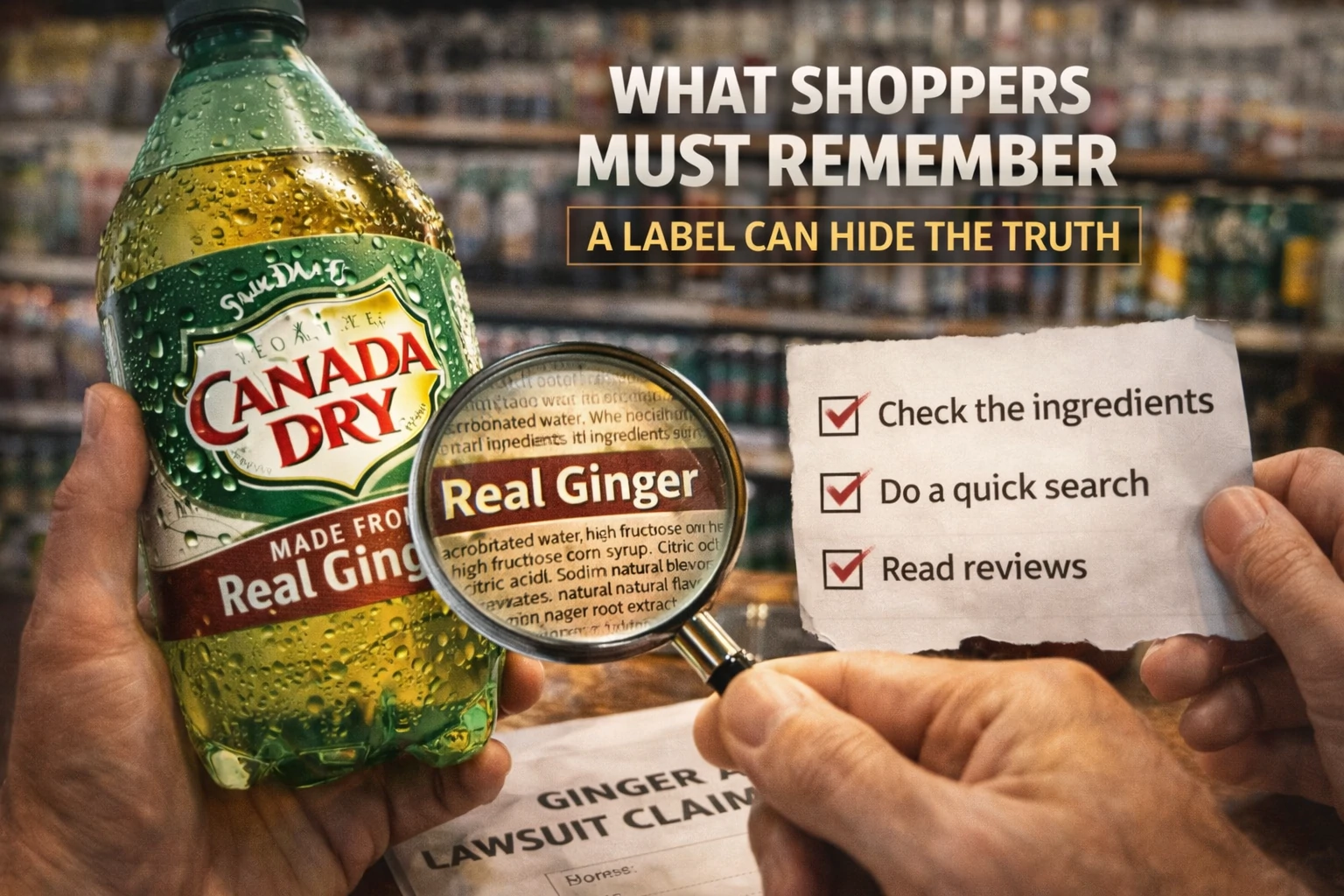
Shoppers must stay alert when reading product labels. Words like “real,” “natural,” or “made with” can sound honest but may hide the truth. These terms do not always mean the product is fresh, pure, or safe. They often create a feeling, not a fact. A product that says “real ginger” might only contain flavoring.
If something sounds too perfect, take a moment to check. Look up the product online. Read what others say. Check the ingredients list. If something feels off, trust your gut. You deserve to know what you are putting in your body. Companies have a duty to be honest. But you have the power to check before you buy.
The ginger ale lawsuit is more than a refund fight. It is a reminder that your voice matters. When enough buyers speak up, brands must change. Labels must match facts. This case proves that informed shoppers can hold companies accountable and shape better rules for everyone.
Timeline of the Ginger Ale Class Action
| Time Period | What Happened |
|---|---|
| 2018-2019 | Early lawsuits were filed in states like California and New York. These cases questioned ginger ale labeling claims. |
| 2020 | Courts in Canada received class action applications, expanding the issue beyond the U.S. |
| 2021-2023 | Several U.S. states reached settlements. Some claims closed, while others stayed active. |
| 2024-2025 | New claims were filed and existing settlements expanded to cover more consumers. |
| 2026 (Expected) | Some payouts may begin. Other cases may still remain under review. |
Conclusion
The ginger ale class action lawsuit raises real questions about trust and truth. Many buyers believed they were choosing a drink made with real ginger. In many cases, they instead received a flavored soda with no real root inside.
Courts continue to review the facts. Some settlements have already closed. Others are still moving forward. If you bought Canada Dry or Schweppes, you may still qualify for compensation.
Take a moment to check your eligibility. Submit the ginger ale lawsuit claim form if it applies to you. Joining the case stays simple, and even small payouts can send a clear message.
Labels matter. Honesty matters. And your choices matter as a consumer. Speaking up helps shape fair rules for everyone.
Some lawsuits involve misleading loan practices or broken promises in lending. You can also read about borrower rights in our Kennedy Funding Lawsuit Guide.