Unexpected problems sometimes appear after a car purchase. A buyer may notice charges that did not appear clearly during the sales conversation. Some customers later question loan terms, added service plans, or vehicle condition. Confusion grows when paperwork feels difficult to understand.
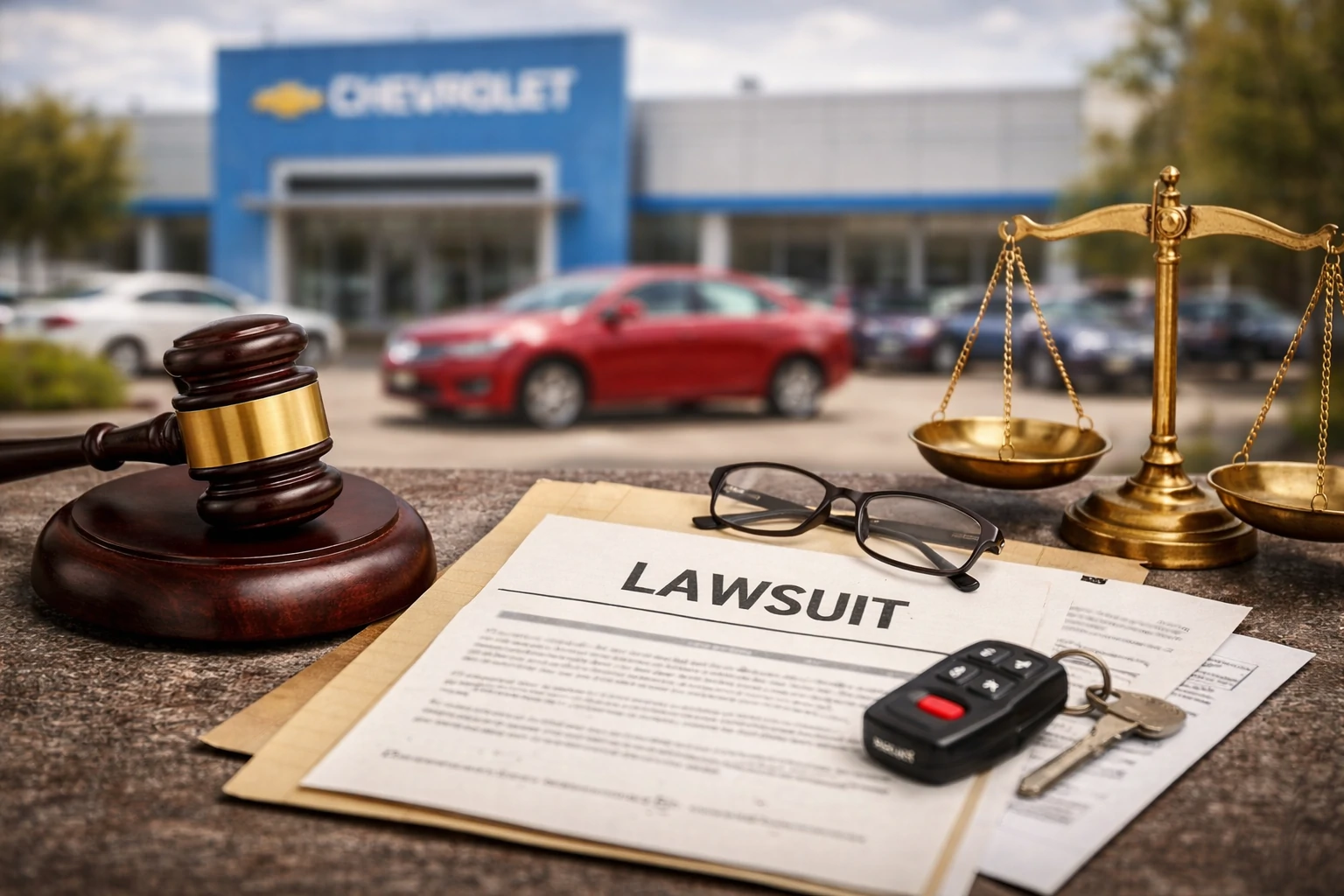
Online searches now show interest in a GM Mirak Chevrolet dealership lawsuit. Some discussions mention contract disputes, unclear pricing, or customer complaints about dealership practices. Internet claims move quickly, yet verified information requires careful review of facts and court records.
Clear knowledge helps people understand what these disputes may involve. Dealership lawsuits often focus on contracts, consumer protection rules, and sales disclosures. Accurate information allows readers to see how such cases begin and what legal steps may follow.
Table of Contents
ToggleWhat the GM Mirak Chevrolet Dealership lawsuit refers to
Online discussions about a GM Mirak Chevrolet dealership lawsuit appear on forums, complaint sites, and social media pages. Some posts describe disputes related to contracts, pricing transparency, financing terms, or service experiences. These conversations often reflect individual customer complaints rather than confirmed court findings.
Dealership disputes occur across the United States each year. A disagreement does not always mean a major lawsuit exists. Some cases involve small civil claims or private settlements between customers and businesses. Courts keep official records of legal filings, yet online discussions may mix verified facts with personal opinions.
A legal case usually begins when a customer files a formal complaint in court. The document explains the issue and the damages the person seeks. Claims may relate to pricing, financing, vehicle condition, or service obligations. Court records remain the most reliable source of information because rumors alone cannot confirm legal wrongdoing.
Timeline of reported events in the GM Mirak Chevrolet Lawsuit
A timeline can help readers understand how legal disputes move through the court system. Public docket records and legal reporting often show the sequence of events in a case.
June 16, 2025
Public docket records show that the case moved into federal court through a Notice of Removal. A federal docket reportedly opened in the United States District Court for the District of Massachusetts.
Late June 2025
Court docket entries show that an Answer filing appeared on the docket shortly after the case entered federal court.
Summer 2025 – Late 2025
The court issued scheduling orders and set deadlines for the case. Docket information indicated that the case followed a bench trial schedule rather than a jury trial track.
February 2, 2026
Public docket entries reportedly show a stipulation of dismissal with prejudice. Court records also indicate that the judge canceled upcoming events and closed the case.
Court timelines help readers understand how a lawsuit progresses. Official court dockets remain the most reliable source for confirmed case activity.
Why car dealership lawsuits occur
Common reasons dealership lawsuits happen include:
- Final price is higher than what the buyer expected
- Extra fees appear in the contract
- Loan terms or interest rates cause confusion
- The vehicle has hidden mechanical problems
- The car does not match the advertisement
- The dealership refuses warranty repairs
Courts review contracts and records before they decide any case. A complaint alone does not prove wrongdoing.
Legal claims often seen in cases
Dealership lawsuits often involve claims related to contracts, pricing disclosures, or consumer protection laws. Buyers may argue that the dealership provided incorrect information about the vehicle, price, or financing terms.
Some cases involve misrepresentation or deceptive trade practices, where a customer claims the dealership used misleading sales statements or advertisements. Other disputes involve breach of contract, which means one party did not follow the terms listed in the agreement.
| Legal Claim | Means |
|---|---|
| Misrepresentation | Incorrect information about a vehicle or contract |
| Breach of Contract | One party fails to follow the signed agreement |
| Deceptive Practices | Sales or advertising that misleads customers |
| Warranty Violations | Failure to honor repair obligations |
Courts review documents, communications, and witness statements before they decide the outcome of these claims.
How a lawsuit moves through court
A dealership lawsuit moves through several legal steps. The process often takes time because both sides must present their arguments and evidence. Courts review each stage carefully before any decision appears.
The case begins when the plaintiff files a complaint with the court. This document explains the claims and the damages the person seeks. The dealership then submits a response that may deny the allegations or raise legal defenses.
The case later enters the discovery stage. Both sides review documents such as contracts, service records, and communications related to the sale. Some disputes end through settlement or dismissal. Other cases move to trial if the parties do not reach an agreement.
Customer complaints that often lead to legal action
Many dealership lawsuits begin after complaints remain unresolved. Buyers may first contact the dealership about pricing confusion, loan terms, or added fees that were not clearly explained.
Vehicle condition and repair issues may also lead to disputes. Some customers claim the dealership failed to disclose mechanical problems or refused warranty repairs.
Common complaints include:
- Disagreement about vehicle price or added fees
- Confusion about financing terms
- Claims about undisclosed vehicle defects
- Warranty repair disagreements
Not every complaint results in a lawsuit. Some disputes resolve through negotiation or mediation.
Ways to verify a lawsuit record
Courts rely on evidence rather than online claims. Written records such as contracts, invoices, and sales agreements often play the most important role in dealership disputes.
Emails, text messages, and other communications may also appear as evidence. These records can show what the dealership told the buyer during the sales process. Witness testimony from sales staff or service employees may also help explain what happened during the transaction.
Judges or juries review all evidence before they reach a decision. A clear paper trail often determines the outcome because legal claims require proof.
How to verify if a dealership lawsuit exists
Online posts may mention lawsuits, but confirmation requires official records. Court databases provide the most reliable information.
Federal cases appear in the PACER system, which allows users to search lawsuits filed in U.S. federal courts. State courts also provide public case search tools on their official websites.
Simple ways to verify a lawsuit include:
- Search federal cases through the PACER database
- Check state court case search systems
- Review official court filings instead of online rumors
Court records show whether a case was filed, dismissed, settled, or still active.
Consumer protection laws that affect car sales
Consumer protection laws in the United States regulate vehicle sales. Federal and state rules require dealerships to provide accurate information about prices, fees, and vehicle condition. These laws help protect buyers from misleading conduct.
The Federal Trade Commission enforces rules that prohibit deceptive advertising. State consumer protection laws also allow customers to seek compensation if a business provides false or unclear information. Some disputes may involve lemon laws when a vehicle shows repeated defects after purchase and repair attempts fail.
Steps buyers can take before filing a lawsuit
A lawsuit often becomes the final option after other solutions fail. Buyers may resolve the issue earlier if they take a few practical steps.
Step 1: Collect purchase documents
Gather the sales contract, financing agreement, invoices, and repair records. These documents show what both parties agreed to during the transaction.
Step 2: Contact the dealership directly
Speak with a manager or customer service department. Clear communication and written proof may help resolve the dispute.
Step 3: Request written clarification
Ask the dealership to explain charges, financing terms, or repair decisions in writing. A written response can help clarify misunderstandings.
Step 4: Seek legal advice if needed
An attorney can review the documents and explain available options. Many lawyers offer an initial consultation before a formal lawsuit begins.
How buyers protect themselves when buying
Vehicle purchases involve large financial commitments, so buyers should review every detail before signing. The full contract should clearly list the price, fees, and financing terms. Verbal promises should also appear in the written agreement.
Research can also help reduce risk. Customer reviews and complaint databases may reveal past issues with a dealership. An independent inspection may also help when someone plans to buy a used vehicle.
| Buyer Protection Step | Why It Matters |
|---|---|
| Review contract carefully | Prevent confusion about price or terms |
| Check dealership reputation | Identify past customer complaints |
| Request written promises | Avoid reliance on verbal statements |
| Obtain vehicle inspection | Detect hidden mechanical problems |
Important points readers should remember
Online discussions can spread quickly, but headlines do not always reflect verified facts. Readers should review claims carefully before drawing conclusions.
Official court records usually provide the most reliable information about a dispute. These documents show the legal claims and evidence involved in the case. A single complaint does not represent the full picture, and courts review evidence before they reach any conclusion.
Things readers should keep in mind
The GM Mirak Chevrolet dealership lawsuit discussion reflects issues that can appear in many dealership disputes, such as pricing disagreements, contract confusion, or vehicle condition complaints. These concerns may lead to legal claims when customers and businesses cannot resolve the problem.
A lawsuit does not prove wrongdoing. Courts review contracts, records, and other evidence before they reach a decision. Buyers can reduce risk through careful research, clear documentation, and full review of purchase agreements before signing.
This article provides general informational content about legal topics. It does not offer legal advice and does not make claims about any party. Readers should review official court records or consult a qualified attorney for specific legal guidance.