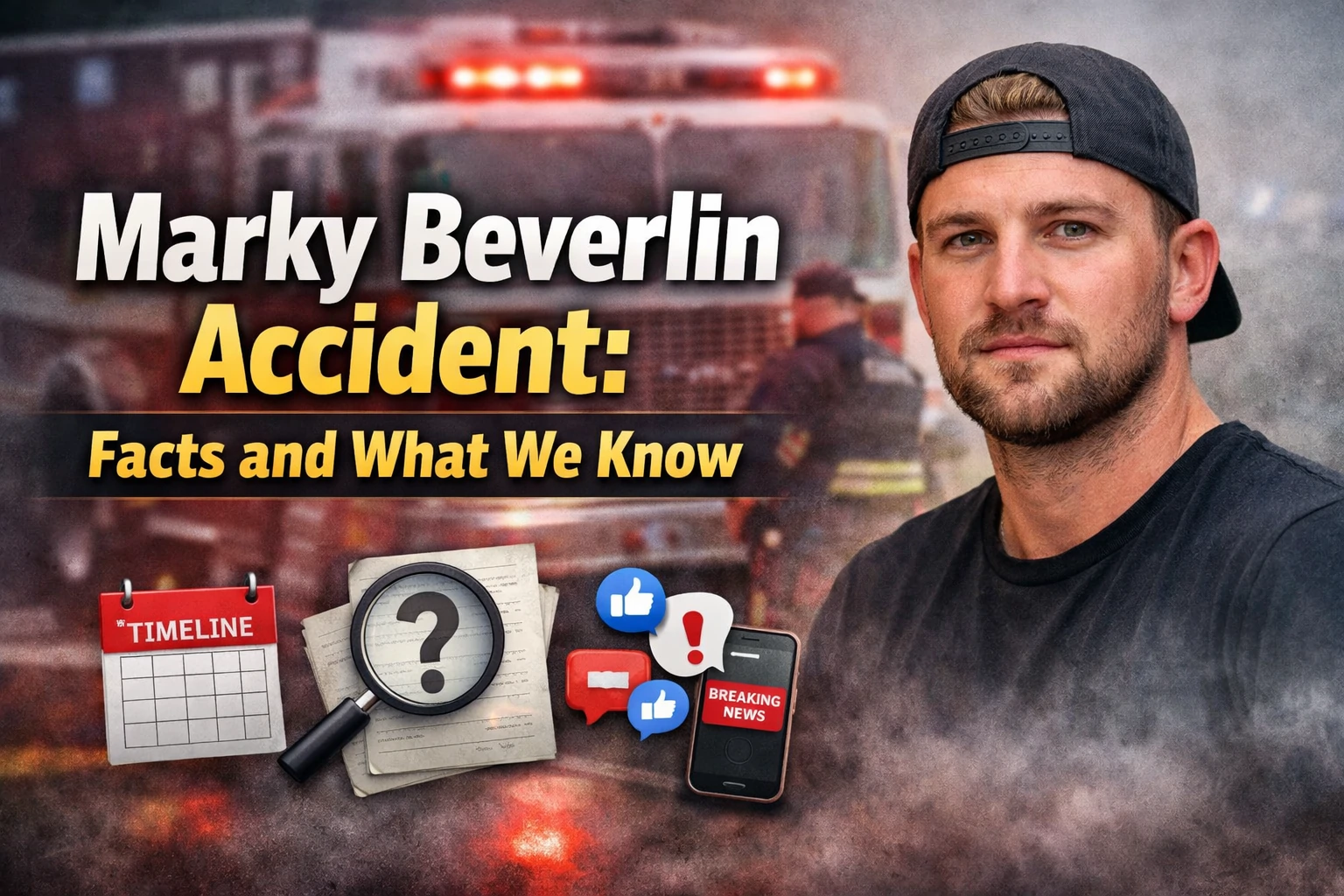
News about the Marky Beverlin accident spread fast across social media. Many people began to search for answers within minutes. Early posts shared strong claims, but most lacked clear proof. Some users believed the news right away. Others questioned it and waited for updates. This mix of reactions created confusion and concern at the same time.
Online platforms move at a very high speed. A single post can reach thousands in a short time. That is what happened here. Fans felt worried and looked for clear details. Reliable information did not appear right away, which made things harder to understand. People had to sort through many posts and opinions to find what seemed true.
Who Is Marky Beverlin?
Marky Beverlin is known as a social media personality. He often appears with his wife, who shares lifestyle and fashion content. Many followers know him for his calm nature and family-focused life.
His online presence grew due to consistent posts and relatable content. Fans like his simple lifestyle and real moments. This made any news about him spread quickly across platforms.
Public figures often face fast news cycles. Even small updates can turn into major stories. This explains why people reacted quickly when accident rumors appeared.
How the News Started Online
Reports about the accident started on social media. Some users claimed that Marky faced a serious incident. Others shared short clips or text posts without clear sources.
No official report confirmed a major accident at the start. This created doubt. Many fans asked questions and looked for updates from trusted pages.
A few key points appeared in early discussions:
- No verified news source confirmed the accident
- Most claims came from social media posts
- Details about location and injuries were unclear
These points show how fast misinformation can spread. People often react before facts appear.
Timeline of the Incident
Below is a simple timeline based on available information. Exact details remain limited, so this timeline reflects how the story developed online rather than confirmed real-world events:
| Stage | What Happened |
|---|---|
| Early Posts | Social media users shared claims about a possible accident |
| Public Reaction | Fans showed concern and started asking questions |
| Lack of Proof | No trusted news source confirmed the incident |
| Ongoing Search | People continued to look for verified updates |
| Current Status | No clear official confirmation at the time of reports |
This timeline shows that the story developed quickly without strong evidence. Clear details did not appear early, which made it harder to confirm what actually happened. Cases like this often grow through social media before facts become available.
Fact or Rumor Check
Many readers asked this question. It is important to separate facts from assumptions.
At the time of early reports, no strong proof confirmed a serious accident. Some posts may have been based on misunderstanding or false information. This often happens when users share content without checking sources.
Public figures face this issue often. A small event can turn into a large rumor. People may share posts for attention or clicks. This leads to confusion.
Reliable information usually comes from:
- Official statements
- Trusted news platforms
- Verified social media accounts
Without these sources, any claim should be treated with caution.
Social Media Reaction
The reaction online was strong. Many fans showed concern and support. Others asked for clear updates. Some users shared emotional messages even before facts were known. This shows how people connect with public figures. Followers feel close to them due to daily content, so any negative news affects them quickly.
At the same time, some users spread unverified claims. This added more confusion. It also shows the risk of fast sharing without proof. Social media works at high speed, and news can reach thousands within minutes. Accuracy often suffers in such cases, which makes it harder to separate facts from rumors.
Effect on Fans and Followers
Fans reacted with worry and concern. Many waited for official updates. Some shared prayers and support messages. Others tried to verify the news.
This situation highlights how online communities behave. People form emotional bonds with creators. News about them feels personal.
It also shows the need for patience. Quick reactions can lead to panic. Waiting for clear facts helps avoid stress and confusion.
Why False News Spreads So Fast
False or unclear news spreads for many reasons, and understanding these reasons helps you stay informed. Social media rewards speed, so users want to post first, and accuracy often comes later. This creates a cycle of fast but unreliable content. Emotional topics also attract attention. An accident story triggers concern, so people share it quickly without checking facts. Many users also trust posts without sources. A message may look real but lack proof, which leads to wide sharing and more confusion.
Here is a quick overview:
| Reason | Effect |
|---|---|
| Fast posting culture | Less fact checking |
| Emotional content | More shares |
| Lack of sources | More confusion |
These factors explain why the Marky Beverlin accident story gained attention quickly.
How to Verify Accident News Online
You can avoid confusion with a few simple steps. These steps help you check if a story is real.
✔ Check the source first. Trusted news sites follow strict rules. Random posts may not be reliable.
✔ Look for official statements. Public figures often share updates on verified accounts.
✔ Compare multiple sources. One post alone is not enough to confirm news.
✔ Check key details. Real reports include time, place, and condition.
✔ Avoid quick sharing. Take time to confirm before you share anything.
How Influencers Handle Rumors
Influencers play an important role in such situations. Their followers look to them for updates and expect clear answers. A direct message from them can reduce confusion and stop false claims from spreading. Many creators choose to address rumors openly. They use their platforms to confirm or deny what people say. This helps control misinformation and gives followers a clear direction.
Transparency builds trust over time. Followers feel more confident when they receive honest updates from the source. Silence, on the other hand, can increase rumors and create more panic. Clear communication helps people stay calm and informed, which makes a big difference during uncertain moments.
Lessons from the Marky Beverlin Accident Story
This situation offers key lessons for all online users. Accuracy matters more than speed. Quick sharing can spread false information, so careful checking helps maintain trust. Emotions should not guide decisions. Concern is natural, but facts should come first before reacting.
Digital awareness also helps you stay informed. Understanding how online content spreads can prevent mistakes. Respect for privacy is important too. Public figures deserve space during personal situations, and unverified claims should not be shared.
Media Responsibility and Ethical Sharing
Media platforms have a duty to report accurate news. They must verify facts before publishing. This ensures that readers receive correct information.
Users also share this responsibility. Each share can affect many people. Careful sharing helps reduce misinformation.
Ethical behavior online includes:
- Respect for truth
- Care in sharing content
- Avoidance of rumors
These values create a better online space for everyone.
Looking Back at the Story
The Marky Beverlin accident story shows how fast news can spread and how unclear details create confusion. Early reports lacked proof, which led to mixed reactions from fans.
Trusted sources and official updates matter most. Social media can inform, but it can also spread rumors. Always check facts before you believe or share anything.
Staying patient helps avoid mistakes in fast-moving news situations. Online news needs patience more than speed.
Common Questions and Answers
Is Marky Beverlin safe?
No trusted source has confirmed any serious accident so far. There is no official statement that shows he is in danger.
Was the accident confirmed?
No trusted news source has confirmed the accident. Most claims came from social media without proof.
Where did the accident news start?
The news appears to have started on social platforms. Users shared posts and clips without clear sources.
Did Marky Beverlin respond to the rumors?
There is no widely confirmed public response at the time of reports. Followers continue to wait for clear updates.
Why did the story spread so fast?
Social media spreads news quickly. Emotional topics like accidents gain attention and lead to rapid sharing.
How can I verify similar news in the future?
Check trusted sources, look for official statements, and avoid sharing posts without proof.