
Millions of people across the United States rely on MyChart. It is a tool that helps patients view test results, talk to doctors, and manage appointments. Many see it as safe and private. Hospitals often promote it as a secure digital window into your medical life.
That sense of safety now faces serious doubt. A class action lawsuit has raised concerns about how hospitals used the platform. Some patients say their private health data went to outside companies. They claim they never gave permission. Some say they never even knew what happened in the background.
The lawsuit has captured wide attention. Privacy experts, doctors, and lawyers want answers. What was shared? Who got access? Were laws broken? The issue shows how fast things can go wrong when hospitals rely on third-party tools. It also raises new questions about trust, technology, and medical care.
This guide explains what is happening. It walks through the claims, risks, legal steps, and what it all means for patients like you. If you use MyChart, or know someone who does, this article can help you understand the full picture.
What Is MyChart and Who Runs It
MyChart is a digital health platform made by Epic Systems. It links patients to their health records. Hospitals across the country use it. It allows people to book visits, read notes, ask questions, and see their medical history. It is designed to make care easier to access and manage.
It works through hospital systems. That means the hospital sets up the portal. Epic runs the core system behind it. Patients trust the tool. They expect it to protect their data. U.S. laws, like HIPAA, back that trust. Hospitals promise strong safeguards, and patients assume their visits are private.
When a health portal fails to protect data, legal problems can follow. This lawsuit claims just that. It says the trust between patients and providers broke down. It argues that the system meant to help people may have harmed them instead.
What Started the Lawsuit
In 2022 and 2023, privacy groups raised concerns. Reports showed that some hospitals added tracking tools to their websites and patient portals. These tools came from companies such as Facebook and Google. They watched what users clicked and viewed. That tracking happened silently in the background.
Some of those tools made their way into MyChart portals. Patients never got a clear warning. Many never agreed to share anything with Facebook. That discovery upset people. Some saw targeted ads after checking test results. That crossed a line.
The lawsuits soon followed. Patients from several states joined together. They now claim hospitals and Epic Systems allowed a serious breach of privacy. The case has grown with time. More hospitals have been named. More users have joined. The legal pressure continues to rise.
What the Lawsuit Claims
The lawsuit says hospitals shared user activity with outside companies. It claims MyChart pages sent details about test results, conditions, and messages. This happened through hidden tools and scripts. The people affected never agreed to this. Some had no idea such tracking was possible.
The case focuses on consent. Patients say they never agreed to this. They trusted hospitals to protect their data. They expected their visits to stay private. The lawsuit says hospitals broke that trust.
It also says Epic Systems failed to stop the tracking. Even if hospitals added the tools, Epic built the base. Lawyers argue that Epic had a duty to prevent outside code from reaching patient data. They say Epic should have done more to monitor what hospitals placed inside the portals.
Epic and Hospital Responses
Epic says it does not include any tracking tools in MyChart by default. It blames hospitals for adding third-party code. Some hospitals say they only used tools to help users or improve design. They say the trackers improved loading speeds or helped them understand how patients used the site.
That defense has not satisfied patients. Lawyers say even small bits of data can reveal private health issues. If a page shows cancer results, the tracker does not need to read every word. Just logging the visit can expose the person’s condition. Some experts say it is enough to identify a patient through page paths alone.
The lawsuit says both hospitals and Epic should have done more. The failure to prevent this kind of data exposure, according to the case, is serious enough to deserve financial and legal penalties.
You Might Also Like
Explore the details behind the Home Depot False Advertising Lawsuit. See how customer claims sparked major legal action over misleading promotions.
Hospitals and Companies Involved
Many hospital systems across the United States have been named in the lawsuit. These hospitals used MyChart portals powered by Epic Systems and reportedly allowed tracking tools on their platforms. The companies that created those tools are also under scrutiny.
The table below summarizes the major names involved:
| Hospital Systems Named | Technology Companies Implicated |
|---|---|
| Cedars-Sinai | Meta (Facebook) |
| Advocate Aurora Health | |
| Rush University Medical Center | TikTok |
| Novant Health | Microsoft |
| UCSF Health | Other ad tech vendors |
These hospitals may have added third-party tracking code to their patient portals, often without patient knowledge. The companies listed may have received sensitive user data through those tools. The court will decide whether these firms should have rejected or filtered health-related information.
If proven, this may lead to new limits on how hospitals and tech firms work together. Privacy watchdogs and lawmakers are already watching closely.
How Patients Are Affected
Patients now feel exposed. They trusted MyChart to keep their health private. Many used it to look at lab results, discuss mental health, or track serious conditions. If that data leaked to third parties, the risk is high.
Some patients saw ads related to their health activity. Others worry about their data being stored in ad systems. Once health data leaves a safe space, it is hard to track where it goes next. It may become part of digital profiles used for targeting or sold to brokers.
Even without clear harm, many patients feel violated. The lawsuit says that emotional harm counts. Privacy matters. Trust matters. That breach of confidence may be the most lasting damage from this case.
Are You Affected by This Case
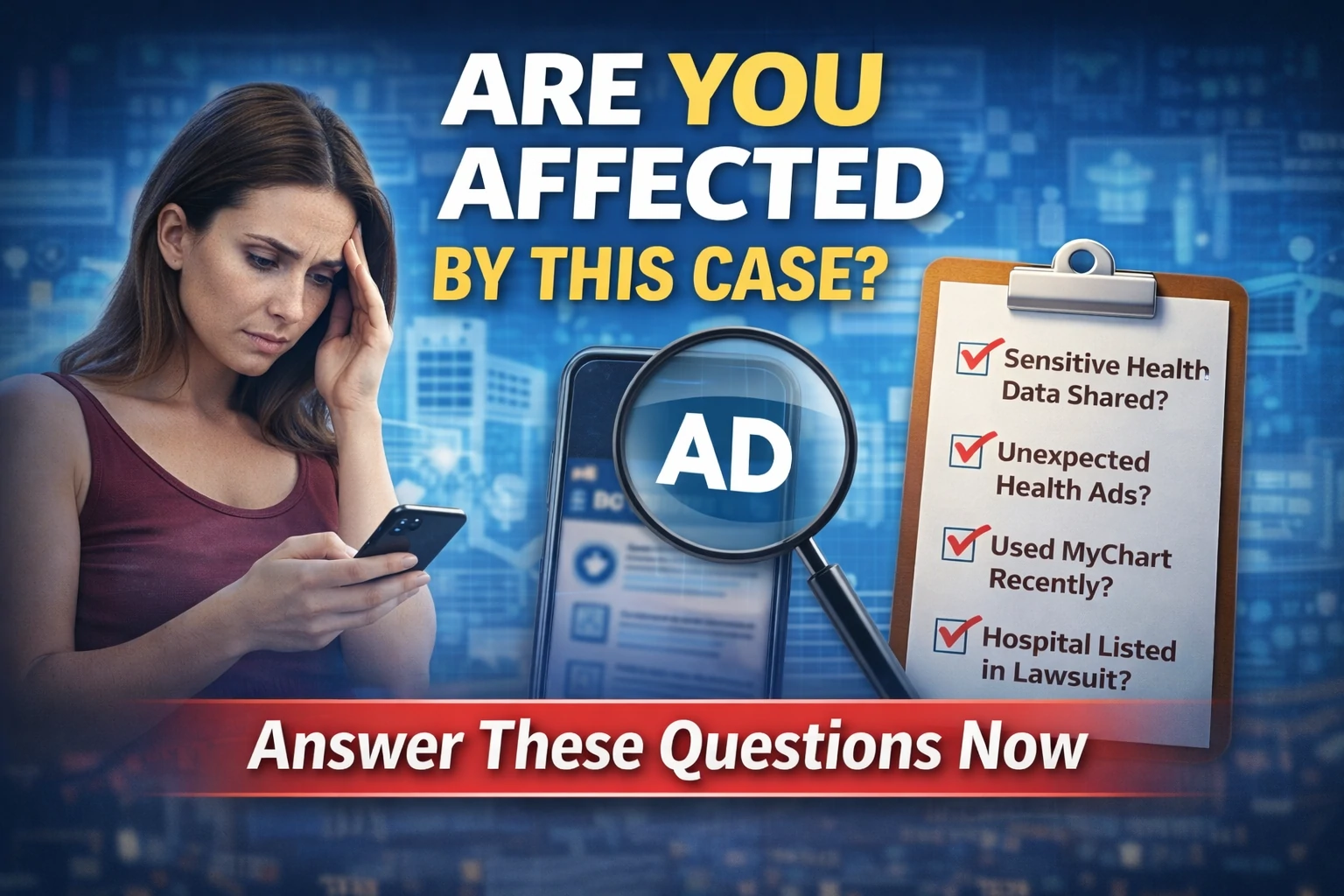
If you used MyChart through one of the hospitals named in the lawsuit, your data may be involved. You may have seen test results, sent messages, or searched symptoms. All of that activity may have been tracked. You may never have been told that it happened.
You do not have to prove damage to be part of a class action. If the court allows the case to move forward, you may get a legal notice. You can also speak to a privacy lawyer for help. They can tell you if your location, dates of use, and hospital match the case facts.
It helps to save emails from the hospital or Epic. You may need to show that you used the portal during the time in question. That record may help later if a settlement is reached.
How to Sign Up for the MyChart Class Action Lawsuit
If you believe your data was shared through a MyChart portal, you may have the right to join the lawsuit. Signing up is simple and often takes only a few steps. You do not need to prove harm or pay anything upfront.
Start by checking if your hospital is named in the case. If it is, visit the official legal website or the law firm’s MyChart lawsuit page. There, you can fill out a form with basic details like your name, the hospital you used, and how you used MyChart. Some forms also ask for dates or email proof.
You may receive updates by email after submitting your form. Make sure your contact info is correct. Keep a copy of what you submit. If you’re unsure about your rights, you can speak to a class action lawyer. They can confirm if you qualify and explain your next step.
Quick Eligibility Checklist
- Did you use MyChart between 2020 and 2025?
- Was your hospital one of those named in the lawsuit?
- Did you see health-related ads after using MyChart?
- Do you believe your data was shared without consent?
If you answered “yes” to any of these, you may be eligible to file a claim.
Where to Find the MyChart Class Action Lawsuit Claim Form
The claim form is the official way to request payment or benefits from the lawsuit. You usually do not need it right away. Courts release claim forms only after a settlement receives approval. Until that time, many sites only collect sign-up details.
Once the court approves a settlement, the claim form becomes available on an official settlement website. This site often appears in court notices, emails, or public legal updates. Law firms handling the case may also link to it. Avoid unofficial sites that ask for payment or sensitive details.
The claim form often asks for basic information. This includes your name, contact details, hospital name, and MyChart usage period. Some forms may ask you to confirm that you used the portal during the affected time. Always review the instructions before submitting. Save a copy after completion, as proof of your claim.
You can speak to a class action lawyer or visit the official MyChart lawsuit portal to check your status and file a claim. Don’t delay—deadlines may apply.
Expected Payout Per Person in the MyChart Class Action Lawsuit
Many people want to know how much money they may receive. Right now, no final payout amount exists. Courts decide payouts only after a settlement or verdict. Until then, any number remains an estimate.
In most privacy class action cases, payouts depend on several factors. These include the size of the settlement fund, the number of approved claims, and legal costs. If many people file claims, each person usually receives a smaller amount. If fewer claims qualify, payouts may increase.
Past data privacy cases show payouts often range from small cash payments to credit monitoring services. Some settlements offer payments between $25 and $200 per person. Larger payouts happen only when strong proof of harm exists. The MyChart case may follow a similar path, but results depend on court decisions.
Recommended Read
Looking to protect or grow your organization? Check out Pedrovazpaulo Operations Consulting for proven strategies that help businesses manage risk and scale effectively.
When Will the MyChart Lawsuit Payout Be Sent?
Courts have not approved any payout in the MyChart lawsuit yet. The case is still active. No money will go out until a judge approves a settlement. That step comes first. Only then can the payment process begin.
Legal reviews often take time. Courts must examine the deal, notify users, and set deadlines. This stage may take several months or more. Delays, appeals, or extra hearings can slow it down.
If the court approves the deal, the next step begins. A claim form becomes public. People then have a set number of days to fill it out. After that deadline ends, officials review all claims. Approved users receive payment. That final step may also take weeks.
You may receive an email or letter if you’re part of the group. Watch for news on trusted legal websites. Avoid fake links or scam pages. Never give personal details unless the site is tied to the court or legal team. Always check the source before you respond.
What Happens in Court Next
The case is still moving through the courts. Judges will decide if the case should continue. Some hospitals may try to settle. Others may fight the claims. Epic will likely defend its role in the system.
This process could take months or years. If the case moves forward, lawyers will collect more documents and witness accounts. If a settlement happens, patients may receive some payment or changes in how the system works. Courts may also demand public notice of what data was exposed.
The outcome could change how hospitals handle tech. It may force them to be more open about what tools they use. It may also push them to get clear approval from users before adding anything new to patient portals.
Why This Case Matters Beyond MyChart
This lawsuit touches on bigger issues. It shows how fast the tech world enters health care. Hospitals often install tools without knowing all the risks. Tech firms may collect more than they admit. Patients often don’t know what runs behind the screen.
Current U.S. law protects patient data through HIPAA. But that law is over 25 years old. It does not cover many modern tracking tools. Lawmakers may soon update privacy rules. Many privacy experts already say HIPAA is too weak for today’s internet.
This case could lead to new laws. It could force more audits. It may also push Epic and other vendors to change how their portals work. Digital health systems may need to start putting privacy first, not last.
How to Protect Yourself Now
You can take action even before the case ends. These simple steps can help protect your privacy and limit exposure:
- Check your hospital’s website for a privacy policy or tracking notice
- Ask your provider if they use third-party tools inside the MyChart portal
- Use browser extensions that block trackers, like uBlock Origin or Privacy Badger
- Adjust your ad settings on platforms such as Google, Facebook, or TikTok
- Watch for health-related ads that seem linked to private visits and report them
- Speak to a privacy lawyer if you think your data was misused
- File a complaint with your state’s consumer protection office or health agency
Taking these steps does not guarantee safety, but it helps you stay in control. The more aware you are, the easier it becomes to protect your digital health record.
Related Legal Action
See how other patients are fighting back in the Aspen Dental Lawsuit. Learn what triggered the case, who it affects, and what legal rights you may share.
Conclusion
The MyChart class action lawsuit shows how fragile digital trust can be. People gave their data to hospitals, expecting care not exposure. The lawsuit says that trust broke when private visits turned into public data points.
This case may help reshape health tech rules. It may force Epic, hospitals, and tech giants to rethink how they handle data. More than anything, it shows that privacy must come first in any health tool.
If you use MyChart or any similar platform, stay alert. Ask what happens behind the scenes. Your health data is yours. No one else should share it without your clear consent. It is time to make health platforms earn patient trust again.
Disclaimer: This article is for general information only and does not offer legal advice. If you believe your rights were violated, speak to a qualified attorney for help.