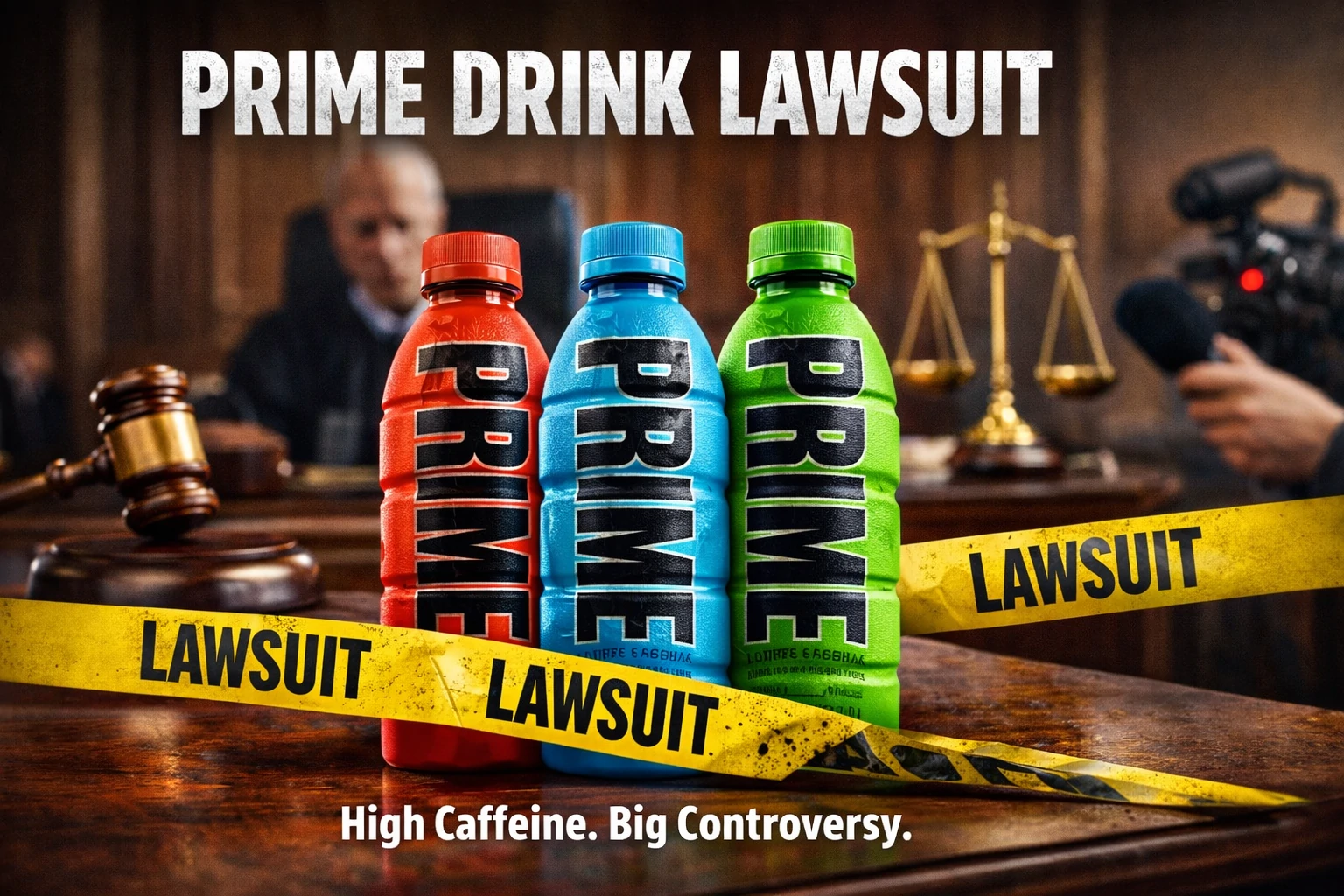
Prime drinks became popular fast. The bottles appeared in gyms, grocery stores, and schools. Two online stars-Logan Paul and KSI-backed the brand. That helped it reach millions of people.
Many buyers trusted the drink right away. Prime looked different. The bottles had bold colors and big promises. The drink claimed to help with hydration, energy, and health. Parents bought it for kids. Fitness fans added it to their daily routine. But now, that trust faces legal questions.
Several lawsuits claim that Prime drinks may not be as safe or honest as they seem. The cases raise big concerns about chemicals, caffeine, and marketing. This guide explains what the lawsuits say, what could happen next, and what it means for buyers.
Prime Drinks and Their Big Promises
Prime offers two bold product lines that target different needs. Its Hydration drink skips caffeine and focuses on electrolytes, making it popular with young athletes. The Energy drink contains caffeine and appeals more to gamers and gym fans. This split approach helped the brand reach a wide range of buyers fast.
Logan Paul and KSI used their fame to promote the brand. That helped Prime grow fast across the U.S. and U.K. It became a top seller within a year. But fast success brings close review. Now, courts want to know if the brand went too far in its claims or broke any rules.
The Hype That Made Prime Famous
Prime did not grow slow like other brands. It launched with big names and bold style. Logan Paul and KSI had huge online reach. Their followers trusted them, and that trust moved to the drink.
Prime bottles showed up in music videos, sports stadiums, and even classrooms. The hype worked. Kids begged parents to buy it. Stores could not keep it stocked. That fast rise drew headlines-and now, lawsuits.
The brand’s sudden fame helped it win fans, but also made it a bigger target. Once it claimed to be better than soda or energy drinks, more people started asking: is it really?
Buyers and Parents Step Forward
Multiple lawsuits have been filed across the United States. They come from parents, individual buyers, and legal teams who focus on product safety. Some cases were filed in federal courts. Others started in state courts.
Most lawsuits ask for class action status. That allows many people to join a single case. If a judge approves, anyone who bought Prime could be part of the claim and seek possible refunds or changes.
The main company named is Prime Hydration LLC. Some cases also include Logan Paul and KSI because of their role in promoting and shaping the brand’s public image.
PFAS in Prime Drinks: Claims and Risks
One lawsuit claims that some Prime drinks contain PFAS. These are known as “forever chemicals” because they stay in the body for a long time. Experts say PFAS may raise the risk of serious health problems.
The case points to lab tests that found PFAS in Prime’s grape flavor. The lawsuit says the company did not warn buyers. It also says these chemicals should not be in any food or drink.
The claim argues that Prime called its drinks clean and safe. That made people trust it more than soda or energy drinks. If the court agrees that PFAS were present and hidden, Prime could face serious legal trouble.
Same Look, Different Drinks Inside
Yes, they are very different. Prime Hydration is marketed as a sports drink. It has no caffeine. Prime Energy, on the other hand, contains 200mg of caffeine per can.
Both come in similar bottles and flavors. That causes confusion, especially for kids. Many people-parents included-think they are the same product.
This confusion is part of the lawsuits. Critics say the company should have made the differences clear. Labels alone are not enough when the bottles look nearly identical.
The Energy Drink Caffeine Issue
Caffeine is a major concern in the Prime lawsuits. Each can of Prime Energy contains 200mg of caffeine. That’s more than what is found in a full Red Bull or Monster.
Parents say the warning is too easy to miss. The energy can looks almost the same as the hydration version. Some kids may grab the wrong one without knowing the risk.
Several parents reported side effects in children. These include fast heartbeats, dizziness, and sleep problems. The lawsuits claim Prime did not give strong enough warnings. They argue the company should have used clear labels and made the cans easier to tell apart.
When a Lawsuit Speaks for a Crowd
A class action starts when one or two people file a case. They tell the court that others have the same problem. The goal is to let one case speak for many.
If the court agrees, the case becomes a class action. This lets more people join without filing their own lawsuits. They don’t need to hire a lawyer or pay anything. They just wait for updates and follow instructions.
If the case wins or settles, members may get money or other support. They fill out a simple form to take part. These lawsuits can force brands to change bad practices. Many companies settle early to avoid trials and damage to their name. One case can lead to better rules for everyone.
Next Steps in the Prime Lawsuit
Several things could take place over the next few months. Prime and the people suing it now wait for the court’s next steps. Possible outcomes include:
- Prime may settle and offer refunds or changes
- The court may dismiss some or all of the claims
- Judges could approve class action status
- Prime might change its labels, ads, or formulas
- New lab tests may support or weaken the claims
These steps take time. Most lawsuits like this last one to three years, but some continue longer.
Updates come slowly. First, the court decides if the case should move forward. Then, both sides share evidence. If they reach a deal, the court must approve it before anything becomes final.
Should You Stop Drinking Prime?
That decision is personal. No recall has taken place. Prime says its drinks are safe and meet all health rules.
Still, many people feel unsure. Some parents avoid it for their children. Others now choose water or low-caffeine sports drinks. They want fewer risks and clearer labels.
If you have doubts, follow these simple tips:
- Read the label on every bottle
- Know if it’s hydration or energy
- Ask your doctor if you feel anything strange
Your body tells you what it needs. Trust your reaction. Safety matters more than trends. When a brand grows fast, caution becomes smart. Always put your health first.
How Prime Responds to the Legal Claims
Prime has responded to some of the claims. The company defends its products and challenges the lawsuits. According to Prime:
- Its drinks meet all U.S. safety standards
- Tests used in the lawsuits are not reliable
- Caffeine content is listed clearly on energy drink labels
- It does not directly target children in its ads
Prime says it will stand by its drinks and fight every legal claim. The company insists it has done nothing wrong.
Still, public pressure can shift company actions. If the cases grow stronger, Prime might settle or agree to change how it labels certain products. What happens next may depend on how much the brand wants to protect its image.
Concerns about how brands handle consumer trust extend beyond just product ingredients. In some cases, like the Temu lawsuit in Canada, the focus turns to how companies manage user data, consent, and advertising practices-issues that may also arise if Prime expands further into global markets.
A Wake-Up Call for Rival Brands
Prime is not the first drink brand to land in court. Big names in soda, bottled water, and energy drinks have faced lawsuits before. Some paid large settlements. Others changed how they label or sell their products.
These Prime lawsuits send a strong message. When brands grow fast, they must slow down and check the facts. Hype sells, but it can also lead to mistakes. Legal teams now keep a close eye on products pushed through influencers.
Other brands may take this as a sign. They might check their sugar levels. They might adjust caffeine content. Some may even pull ads that target kids. The spotlight is now on safety and truth in labeling. One case can shape how the entire market behaves. Smart brands will learn before it’s their turn.
Tips to Stay Safe as a Buyer
| Tip | Benefits |
|---|---|
| Always read the label | Helps you understand ingredients and any warning signs |
| Know what’s in each version | Some flavors or formulas may contain more caffeine or sugar |
| Avoid energy drinks for young children | These drinks can affect heart rate, sleep, and behavior in kids |
| Report side effects to a doctor | Medical input helps document problems and protect your health |
| Keep receipts for frequent purchases | Proof of purchase supports refunds or claims later |
| Check government food and drink alerts | Stay updated on recalls, warnings, or new safety findings |
| Speak with a lawyer if misled | Legal advice is often free at first and may reveal options like joining a lawsuit |
Keeping Up with Prime Lawsuit News
If you’re following the Prime lawsuits, stay informed through reliable sources. Accurate updates can help you understand your rights and next steps, especially if you’re part of a potential class action.
You can check updates on:
- Legal news sites that report on consumer cases
- Official court records through government portals
- Trusted consumer blogs that track product lawsuits
- Health safety watchdog websites that monitor brand claims and recalls
Stick to verified sources. Avoid websites that push fear or clickbait headlines. If a class action gets approved, watch for official court notices by mail or email-they will explain your rights and how to join the case.
Side-by-Side Drink Comparison
| Drink Brand | Caffeine per Can | Target Audience | PFAS Concern | Notes |
|---|---|---|---|---|
| Prime Energy | 200mg | Teens/Young Adults | Yes (claimed) | Similar to hydration bottle |
| Red Bull | 80mg | Adults | No known | Clearly labeled |
| Monster Energy | 160mg | Adults | No known | High sugar content |
Final Takeaway
The Prime drink lawsuits bring serious concerns to light. Many people trusted the brand. They believed they were buying a cleaner, healthier option. Now, those same buyers wait to see how the courts respond.
The legal claims say Prime failed to warn about possible risks, used vague labeling, and pushed its drinks too hard toward younger customers. Prime has denied every accusation and stands by the safety of its products.
Until a final ruling comes, the situation remains uncertain. What happens next could shape future standards in product safety, how companies build trust, and what rights consumers can expect. This case may not just impact Prime-it might influence how other fast-growing brands are held accountable.
In the meantime, consumers should stay informed, read labels closely, and speak up when something feels off. Clear rules help protect everyone. These lawsuits might just be the push needed to create them.