
When the Law Becomes Important
Gang stalking may not appear under that exact name in every law book. Still, many actions within it break existing laws. Harassment, stalking, cyber abuse, threats, and invasion of privacy all fall under legal protection.
Laws vary from state to state. Some focus on stalking and harassment. Others address online abuse and privacy violations. Federal laws may apply when cases involve hacking, wiretapping, or civil rights violations.
Courts require clear evidence, and repeated incidents often show the pattern. A skilled gang stalking attorney knows how to gather proof and present the case clearly.
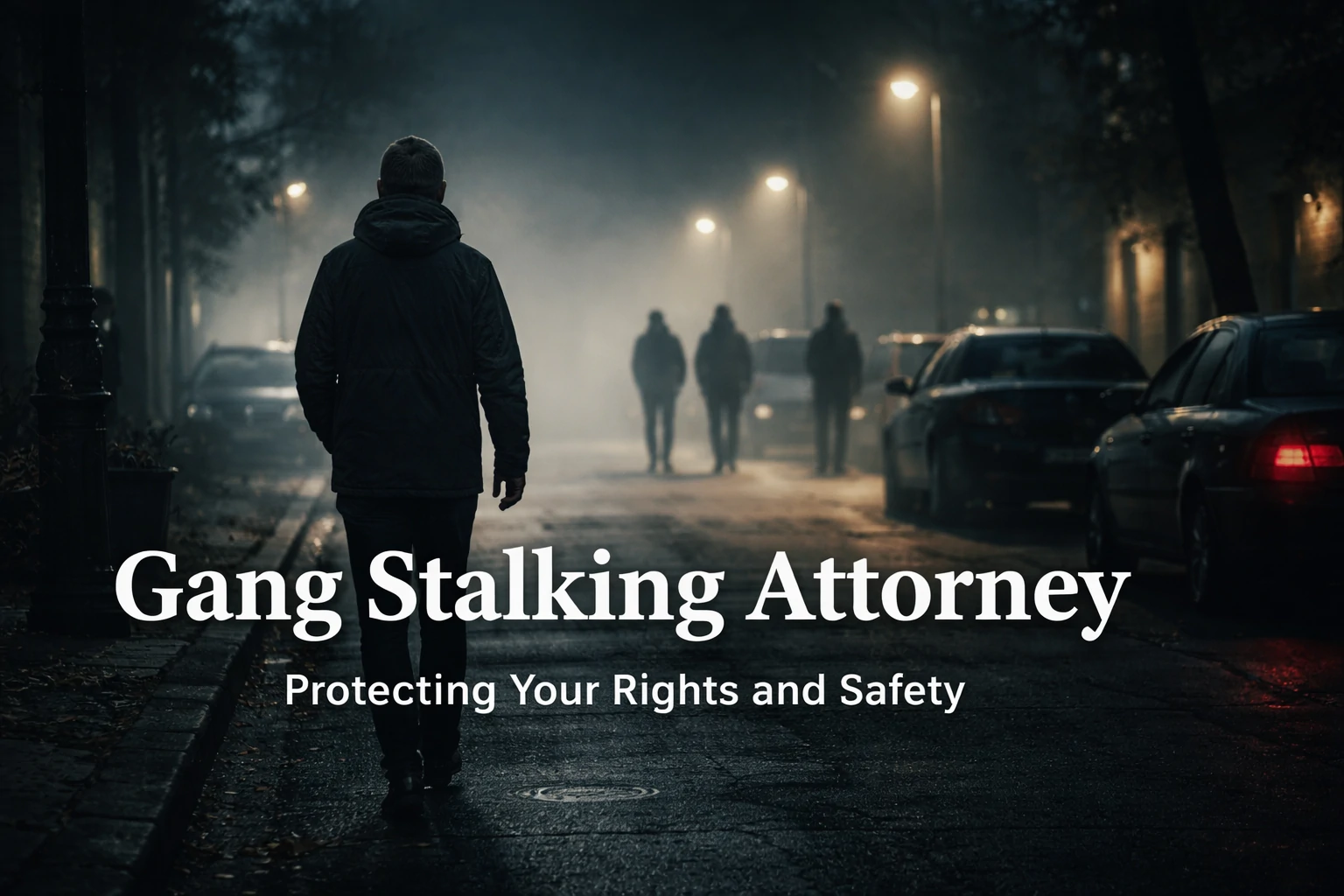
Some warning signs appear repeatedly in gang stalking situations. Victims notice unfamiliar people following them. Cars appear repeatedly near their home or workplace. Strange messages arrive without explanation.
Phones, computers, or email accounts may behave strangely. Late-night disturbances occur outside the home. Friends or coworkers may suddenly treat the victim differently.
These events do not happen once. They repeat again and again. When people dismiss the victim’s concerns, the feeling of isolation grows stronger.
Legal help becomes important when the pattern begins to affect safety, work, or peace of mind. An attorney understands how to handle these cases and provide a structured response.
The Legal Process in Gang Stalking Cases
Legal action usually begins with a consultation. The victim explains what has happened and shares any evidence they have collected. This may include messages, photos, videos, or written notes about incidents. The attorney reviews the information and identifies possible legal actions. These may include police reports, legal notices, restraining orders, or court filings.
Victims remain involved during every step of the process. Attorneys explain what will happen next and prepare the victim for any court appearances. This structure often reduces the feeling of chaos that victims experience. Once legal action begins, the situation often changes quickly. Harassers may stop once they realize the law has become involved.
The Challenge of Evidence
Evidence plays a major role in harassment cases. Gang stalking often hides behind indirect actions. Victims sometimes doubt their own observations because the harassment feels subtle or confusing.
Careful documentation becomes essential. Victims should record dates, locations, and descriptions of events. Messages, screenshots, and photographs provide valuable support. Security cameras can help capture repeated disturbances. Witness statements from neighbors or coworkers may strengthen the case.
An experienced attorney reviews all available information and identifies patterns. Technical experts may also assist when digital evidence becomes important. Proper documentation transforms scattered events into clear legal proof.
Emotional and Mental Impact
Constant harassment affects mental health deeply. Victims may lose sleep, avoid public places, or withdraw from friends and family. Stress becomes part of everyday life.
These reactions are natural responses to ongoing fear. The human mind struggles under constant pressure. Professional support from therapists or counselors can help restore emotional balance.
Legal action also plays an important role in recovery. When victims feel believed and protected, their confidence begins to return. A gang stalking attorney often becomes part of that recovery process by providing both protection and guidance.
Choosing the Right Attorney
| Factor | Why It Matters |
|---|---|
| Careful listening | A good attorney listens with patience and respect. Victims should feel safe when sharing personal experiences. |
| Relevant experience | Lawyers who handle harassment, stalking, cyber law, and privacy cases often provide stronger support. |
| Clear communication | Clients need simple explanations about legal options and possible outcomes at each step. |
| Honest guidance | A trustworthy attorney explains the process clearly and avoids unrealistic promises. |
| Strong trust | Victims should feel confident that their attorney truly supports and protects their interests. |
Legal Tools That May Help Victims
Several legal tools help stop harassment and protect victims.
Police reports create official records of repeated incidents. Restraining orders legally require stalkers to stay away from the victim’s home, workplace, and communication channels. Civil lawsuits allow victims to request compensation for emotional distress, lost work opportunities, or damage to reputation.
Federal laws may also apply when harassment includes hacking, privacy violations, or discrimination. Attorneys evaluate each case and select the strongest legal approach. In some situations, harassment may overlap with other legal matters. Victims facing property disputes or trespassing may also benefit from guidance from a criminal trespass attorney.
Legal Options Available to Victims
Victims of organized harassment often have more legal options than they realize. These options may work individually or together depending on the situation. Police reports establish official records of harassment. Protective orders help create physical distance between victims and those responsible.
Civil lawsuits allow victims to seek financial compensation for harm caused. Criminal charges may apply when harassment involves threats, stalking, or digital crimes. Federal civil rights protections also apply when harassment targets a person’s race, religion, gender, or disability. These laws often provide stronger enforcement tools.
Support Beyond the Courtroom
Legal protection addresses only part of the problem. Emotional recovery also matters. Victims benefit from professional counseling and support networks.Friends, family members, and support groups can help rebuild trust and confidence. Isolation often worsens the emotional effects of harassment.Many attorneys also recommend support services that specialize in harassment recovery. Combining legal action with emotional support often leads to stronger long-term healing.
Your Rights Matter
No one has the right to intimidate or control another person’s life. Harassment, stalking, and privacy violations break the law. Victims deserve safety and respect. Legal action provides a path toward protection. Speaking with a qualified gang stalking attorney often becomes the first step toward reclaiming peace of mind.
Victims do not need to remain silent. The law offers tools that help restore safety and dignity.
Pros and Cons
| Pros | Cons |
|---|---|
| Provides legal protection and guidance | Legal fees may apply |
| Helps gather and organize evidence | Finding the right lawyer takes time |
| Court orders can stop harassment | Some cases require lengthy investigations |
| Victims gain support and representation | Legal processes may feel stressful |
Final Thoughts
Gang stalking creates deep fear and confusion. Victims often feel alone because others cannot see what they experience. Yet legal protection exists, and victims have the right to seek it.
A gang stalking attorney provides guidance, structure, and legal power. Their support helps victims rebuild confidence and safety.
Taking action may feel difficult at first. However, speaking with a legal professional often becomes the first step toward reclaiming peace and control over life.
Disclaimer
This article provides general information only. It does not offer legal advice. Speak with a licensed attorney about your specific situation before taking legal action.