
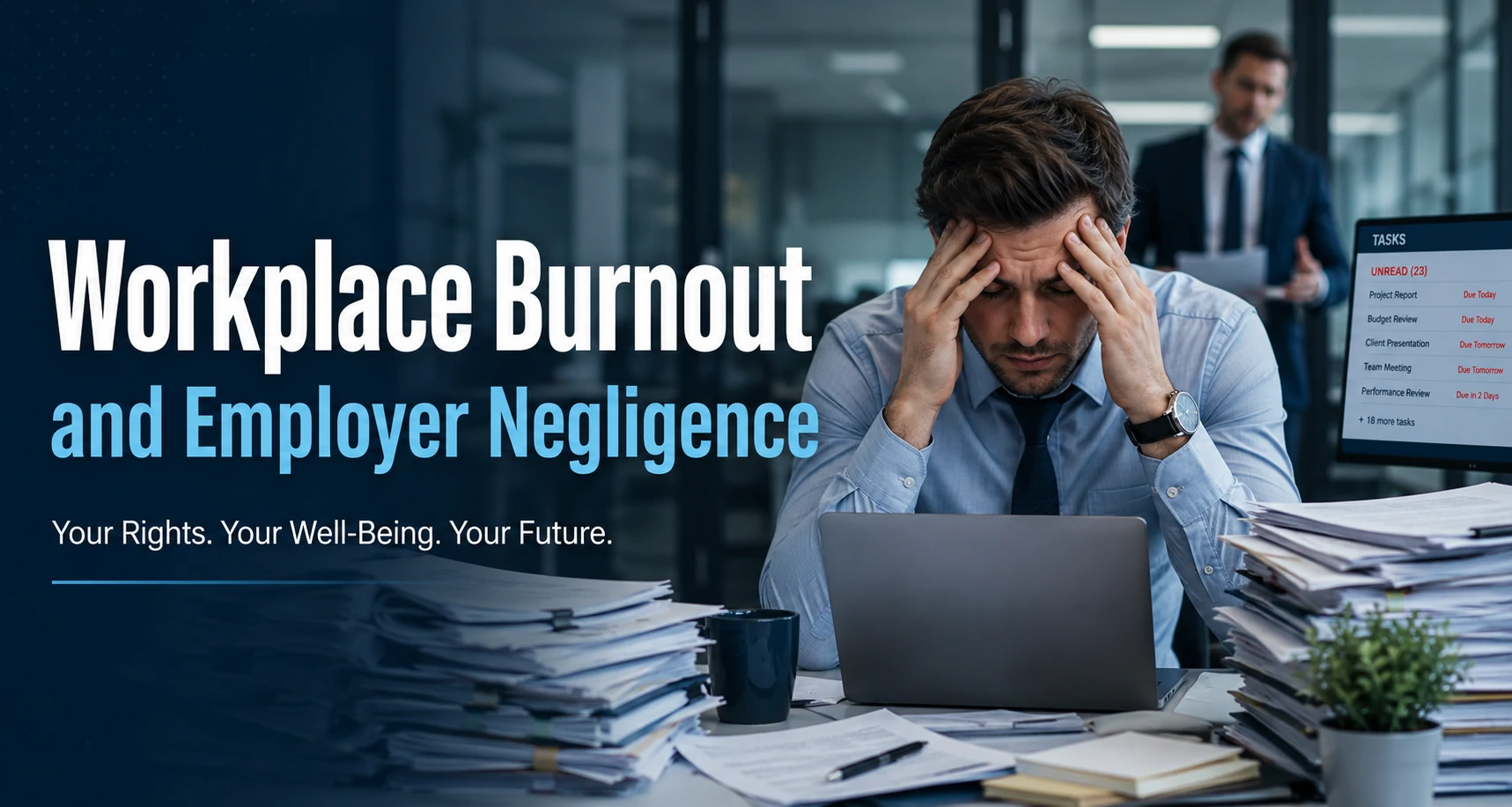
Workplace burnout has become one of the biggest challenges in modern employment. In fast-paced cities like San Diego, employees often work under constant pressure, tight deadlines, and high performance expectations. Some workers contact an employment attorney after burnout has affected their performance, job security, or ability to keep up with workplace demands.
Burnout is not always a personal weakness. In some cases, it may reflect deeper workplace problems. Heavy workloads, poor staffing, unrealistic deadlines, and ignored complaints can all create conditions that harm employees over time. This makes it harder to separate poor performance from possible employer negligence.
The Growing Reality of Workplace Burnout
Burnout is more than temporary stress or fatigue. It is a prolonged state of emotional, physical, and mental exhaustion caused by ongoing workplace pressure that has not been properly managed. Employees experiencing burnout often struggle with concentration, motivation, communication, and productivity, which can directly affect their job performance.
Many organizations still treat burnout as a personal weakness instead of a workplace issue. Employees are expected to maintain high performance regardless of staffing shortages, excessive overtime, or unrealistic expectations. Over time, this mindset can create environments where declining performance is punished instead of investigated.
In many workplaces, burnout develops gradually and becomes normalized before anyone recognizes the warning signs. Employees may initially work harder to compensate for pressure, only to experience severe exhaustion later. By the time performance issues become apparent, the employee may already be under serious emotional and mental strain.
This creates a difficult situation for employers and employees alike. Managers may see missed deadlines or reduced productivity as evidence of a poor work ethic, while employees may feel that the organization ignored the conditions that caused the decline in the first place.
When Performance Problems Reflect Deeper Workplace Issues
Poor performance is not always the result of laziness or incompetence. In many cases, it reflects an unhealthy work environment that has pushed employees beyond reasonable limits. Constant availability expectations, unclear communication, and excessive workloads can gradually reduce an employee’s ability to function effectively.
Employers have a responsibility to provide reasonable working conditions and support systems. When businesses ignore repeated complaints about stress, understaffing, or unsafe workloads, they may contribute directly to employee burnout. This becomes especially concerning when companies continue to increase demands without addressing the impact on workers.
Some organizations unintentionally foster cultures that reward burnout. Employees who sacrifice personal time and work through exhaustion are often praised, while those who set boundaries may be viewed as less committed. Over time, this dynamic can pressure workers into unhealthy patterns that damage both performance and well-being.
Once burnout begins affecting productivity, employers sometimes respond with disciplinary action rather than support. Performance improvement plans, reduced responsibilities, or termination may follow without any meaningful discussion about the underlying causes. This can blur the line between legitimate performance management and negligence toward employee welfare.
The Legal and Ethical Responsibilities of Employers
Modern employment standards increasingly recognize that mental health and workplace conditions are closely connected. Employers are expected to take reasonable steps to prevent harmful working environments, especially when warning signs become obvious. Ignoring repeated reports of burnout can expose businesses to legal and reputational risks.
Employees who begin to notice the effects of burnout on their performance or well-being often take proactive steps to better understand their situation. In many cases, this includes taking time to learn about your rights in relation to workplace conditions, performance expectations, and potential legal protections. Having this knowledge allows workers to better evaluate whether they are facing normal workplace pressure or an environment that may require further attention or legal guidance.
In some situations, employees may argue that workplace conditions directly contributed to mental health struggles or declining performance. Excessive overtime, retaliation for taking leave, or unrealistic productivity demands may all become relevant factors in employment disputes. Employers who fail to document supportive actions or ignore employee concerns may face greater scrutiny.
The issue becomes even more complicated when burnout overlaps with medical conditions such as anxiety or depression. Employees who request accommodations or medical leave may have legal protections that employers must respect. Failing to respond appropriately can turn a performance issue into a potential legal matter.
Businesses that proactively address burnout often experience stronger retention and healthier workplace cultures. Clear communication, realistic expectations, and mental health support systems help employees recover before performance deteriorates significantly. Prevention is usually far less costly than dealing with disputes after burnout has already caused damage.
Why Burnout Requires a Long-Term Workplace Strategy
Burnout cannot be solved through occasional wellness initiatives alone. Organizations must examine the deeper structural problems that contribute to employee exhaustion. This includes workload distribution, leadership practices, staffing levels, and expectations around availability outside working hours.
Managers also play a critical role in identifying early signs of burnout. Sudden drops in engagement, increased absenteeism, irritability, or declining work quality may indicate that an employee is struggling rather than disengaged. Addressing these concerns early creates opportunities for support instead of punishment.
Employees are becoming more aware of the connection between mental health and workplace rights. Many workers now expect employers to prioritize sustainable productivity instead of constant pressure. Companies that fail to adapt may struggle with turnover, reduced morale, and growing legal exposure.
At the same time, employees must understand the importance of documenting workplace concerns and communicating challenges before situations escalate. Open conversations about workload and support can sometimes prevent misunderstandings that later become serious conflicts. Transparency benefits both employers and workers when handled professionally.
Workplace burnout continues to reshape how businesses evaluate employee performance and organizational responsibility. As awareness grows, it is becoming harder to dismiss declining productivity as a purely individual failure without examining the workplace conditions behind it. Employers that ignore burnout risk damaging both employee well-being and their own long-term stability, while organizations that address it responsibly are more likely to build healthier, more productive workplaces for the future.
Conclusion
Workplace burnout is changing how employers and employees think about performance. Declining productivity should not always be treated as a personal failure without reviewing the workplace conditions behind it.
Employers that ignore burnout may harm employee well-being and expose themselves to legal risk. Companies that take burnout seriously can build healthier teams, reduce disputes, and create more stable workplaces. For employees, understanding rights, documenting concerns, and seeking guidance early can make a major difference when burnout begins to affect work and job security.