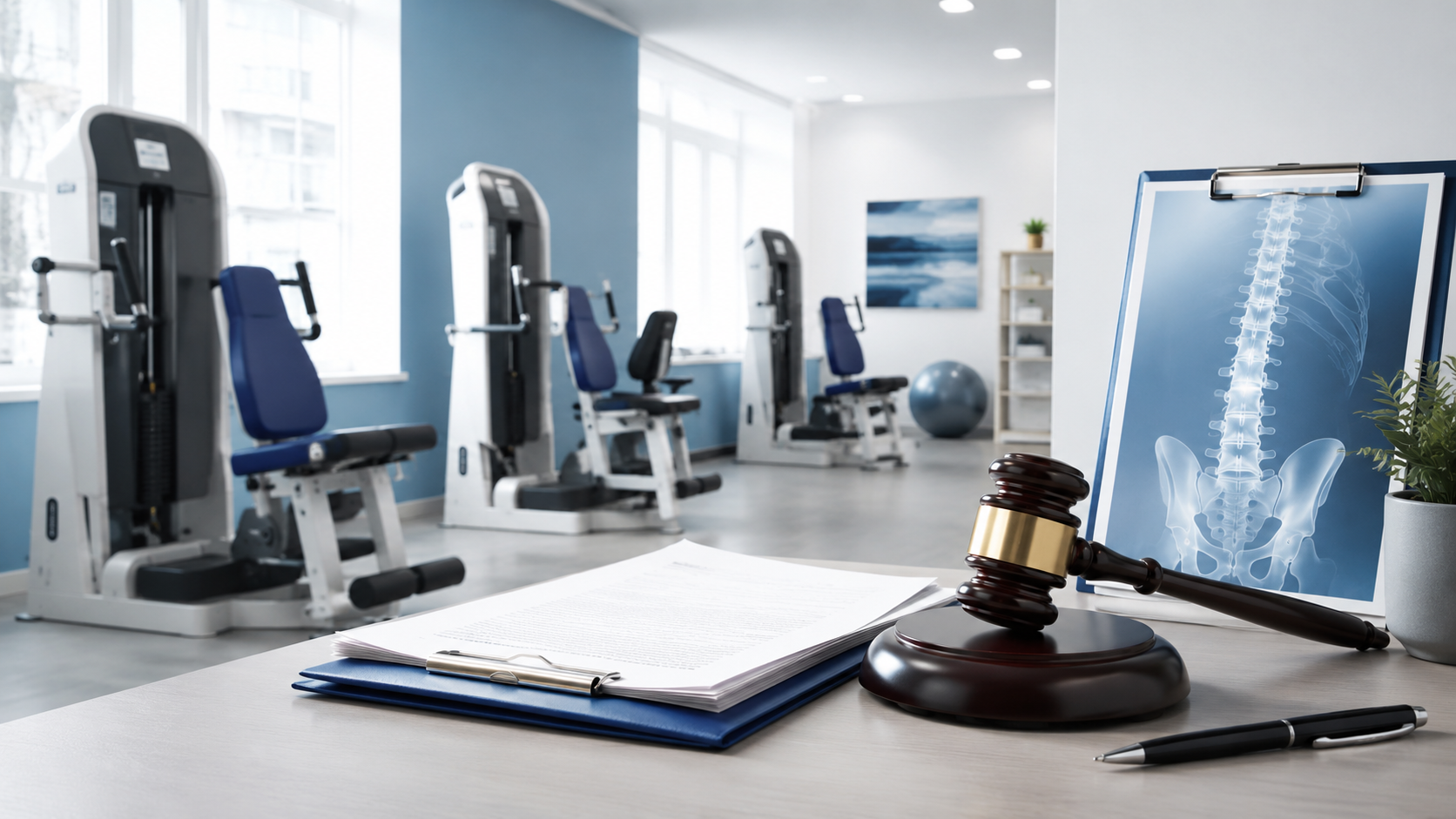
OsteoStrong lawsuit is a search term that can confuse readers fast. It does not point to only one simple case. Public records show different legal disputes tied to OsteoStrong, its franchise model, customer injury claims, business claims, and questions about health-related marketing. Each case has its own facts, parties, and result, so readers should not treat every claim as a proven fact.
People search this topic because OsteoStrong presents itself as a wellness and bone health brand. Its centers use special equipment linked to osteogenic loading, a method that applies high force in a controlled way. Some users want to know if the system is safe. Others want to know if franchise buyers made legal claims against the company. A clear answer must separate court records, allegations, clinical evidence, and personal opinion.
Quick Answer About the OsteoStrong Lawsuit
OsteoStrong has been linked to more than one lawsuit or legal dispute. One known case involved a customer who said she suffered a compression fracture after a session. That case focused on injury, negligence claims, and whether a signed waiver blocked the claim. An appeals court did not decide that OsteoStrong was liable. It sent the case back because the waiver and risk issues needed more review.
Another group of disputes came from franchisees. Some franchise buyers claimed that they relied on information about the business, equipment, support, marketing, and disclosures before they signed agreements. Courts did not accept every claim. Some claims ended, and some issues had to move forward or could be raised later in a different way.
A fair view is simple. The phrase “OsteoStrong lawsuit” covers a mix of injury claims, franchise claims, disclosure issues, and marketing concerns. It does not prove that every OsteoStrong center is unsafe. It also does not prove that every claim made against the company was false. Readers should look at the exact case before they form an opinion.
| Main Area | What It Means | Reader Takeaway |
|---|---|---|
| Customer injury claim | A user alleged injury after a session | Court records matter more than social claims |
| Franchise dispute | Some buyers raised contract and disclosure claims | Business buyers must review the FDD and contract |
| Marketing concerns | Some claims focused on health benefits and safety statements | Medical-style claims need strong proof |
| Clinical evidence | Studies give mixed and cautious results | Do not treat one study as final proof |
OsteoStrong Lawsuit vs Online Claims
Online posts can make the OsteoStrong lawsuit topic look simple, but court records show a more detailed picture. A lawsuit is an allegation until a court reaches a final decision or the parties resolve the dispute. Reviews, social posts, and blog claims may raise useful questions, but they should not replace public court records.
Readers should separate three things: what a plaintiff claimed, what OsteoStrong argued, and what the court actually decided. This helps avoid false or unfair conclusions. In the Oliveri case, the appeal focused on waiver language, risk, and whether the case could end early. That is different from a final court finding that OsteoStrong caused harm.
What Happened in the Oliveri Case
Oliveri v. OsteoStrong was an Ohio case linked to an alleged injury after a session at an OsteoStrong center. The plaintiff had osteoporosis and visited after she received free sessions. Court records say she signed a wellness form that included a waiver. During a later session, she claimed she felt and heard a pop after an instructor told her to repeat an exercise with more force. She later received a diagnosis of a thoracic compression fracture.
Her lawsuit raised negligence claims against the business. She said OsteoStrong failed to warn her, guide her, supervise staff, and keep the equipment safe for her condition. OsteoStrong argued that the waiver blocked her claim and that she accepted the risk. A lower court first sided with OsteoStrong, but appeal judges reversed that result and sent the case back. This does not mean the plaintiff won the injury claim. It means the appeals court found that the case needed more review before it could end.
Oliveri v. OsteoStrong Case Timeline
This timeline explains the Oliveri case in simple order. It uses the Ohio Court of Appeals record, so readers can follow the main events without confusion.
-
May 2016
Free OsteoStrong Sessions Offered
Beatrice Oliveri received two free sessions after she attended a presentation at a senior center. Court records state that she had osteoporosis and spoke with her doctor before she went.
“` -
First Session
Wellness Form and Waiver Signed
At her first session, Oliveri completed a wellness assessment. The form included language about physical ability, doctor permission, and a waiver of legal action tied to the OsteoStrong system.
-
Second Session
Alleged Injury During Exercise
During the second session, Oliveri said an instructor told her to repeat the fourth exercise and do it harder. She claimed she felt and heard a pop, and she later received a diagnosis of a thoracic compression fracture.
-
2018
Lawsuit Filed in Lake County, Ohio
Oliveri filed a civil lawsuit in the Lake County Court of Common Pleas. The appeal record lists the case number as 2018 CV 000781. Her claims included failure to warn, failure to instruct, lack of supervision, and equipment safety issues.
-
Trial Court Stage
Lower Court Sided With OsteoStrong
OsteoStrong argued that the waiver blocked the claim and that Oliveri accepted the risk. The trial court granted summary judgment in favor of OsteoStrong.
-
May 17, 2021
Appeals Court Reversed and Remanded
The Ohio Court of Appeals reversed the lower court decision and sent the case back for more review. This did not mean Oliveri won the injury claim. It meant the court found that summary judgment was not proper at that stage.
“`
What the Court Did and Did Not Decide
The Oliveri appeal is important, but readers should understand its limit. The appeals court did not make a final ruling that OsteoStrong caused the alleged injury. It also did not decide that every claim against the company was true. The court only reviewed whether the lower court should have ended the case through summary judgment.
The appeals court found that the case needed more review before it could end. This matters because legal records can sound stronger than they are when people discuss them online. A reversed and remanded decision means the case went back for further court action. It does not equal a final win for the plaintiff, and it does not prove final liability against OsteoStrong.
Franchise Disputes Around OsteoStrong
Several legal records also discuss disputes with franchisees. Franchise lawsuits often look different from customer injury cases. A franchisee may claim lost money, poor support, false statements, or contract problems. A franchisor may argue that the buyer signed a clear agreement and failed to meet business duties.
In one dispute, franchisees claimed they bought into the system and later raised issues about disclosure, training, support, development schedules, and alleged misrepresentation. Court records show that some claims did not survive. At least one issue related to negligent misrepresentation remained for further review in that matter. That type of result is common in business cases because courts may cut weak claims and leave narrow issues open.
Business readers should pay close attention to this point. A franchise lawsuit does not always prove wrongdoing. A franchise lawsuit does not always prove wrongdoing. It may also show a dispute over contract terms, support, business expectations, or pre-sale promises. Such cases can still help future buyers know what to review before they sign. Still, such cases can help future buyers know what to check before they sign.
Franchise Disclosure and Buyer Risk
A franchise disclosure document, also called an FDD, plays an important role before someone buys a franchise. It gives buyers details about fees, legal history, bankruptcy history, support, training, territory, contracts, and other key terms. Buyers should receive this document before they pay money or sign a binding agreement. That time helps them read the terms, ask questions, and get advice from a lawyer or accountant.
OsteoStrong-related franchise records show that disclosure can become a major issue when buyers later feel misled. Some claims focused on what franchisees said they heard before they bought the business. Other claims focused on details they believed were missing or unclear in written documents. A careful buyer should not rely only on sales calls or success stories. They should compare every verbal claim with the contract, ask for proof of financial claims, and make sure the written terms match what they expect.
Safety Claims and Medical Wording
OsteoStrong centers focus on bone health, strength, balance, and related wellness goals. This area needs careful wording because osteoporosis and bone loss are medical topics. Any claim about disease treatment, cure, diagnosis, or prevention needs strong proof. If a wellness brand uses medical-style claims, consumers, franchisees, or regulators may question whether those claims go too far.
In a California federal record, franchise plaintiffs said some marketing material made claims about medical benefits, equipment safety, patent rights, and public figure links. The court denied an emergency request because the plaintiffs did not show immediate harm that could not be fixed later. That order did not decide every truth issue in the case. Consumers should still treat bold health claims with care, read any waiver, and speak with a qualified clinician before they try a high-force program, especially if they have osteoporosis, spinal problems, or a past fracture.
What Clinical Studies Say So Far
Clinical evidence around OsteoStrong needs careful reading. Some studies report possible benefits in certain groups, but other findings remain limited or mixed. Readers should not treat one study as final proof.
| Study Area | What It Found | What It Means for Readers |
|---|---|---|
| Postmenopausal women with osteoporosis | One study reported modest lumbar spine bone mineral density results. | This may look helpful, but the result still needs cautious review and more strong trials. |
| Women with low bone mineral density | A pilot study found no significant improvement in bone density, microarchitecture, or strength after eight months. | Results can vary, so one positive claim should not decide the whole issue. |
| Safety and adherence | Some research noted good adherence and no major safety signal in that study group. | Safety can still depend on age, health history, fracture risk, staff guidance, and medical advice. |
| Overall evidence | Current research does not give one final answer for every user or every medical condition. | People with osteoporosis should use clinical advice, DXA results, and a full care plan before they try any high-force program. |
What Consumers Should Check Before a Session
Anyone who wants to try OsteoStrong should ask direct questions before the first session. Good centers should explain the process in plain language. Staff should ask about health history, pain, fracture history, bone density, surgeries, and doctor advice. A client should not feel pushed to perform harder than feels safe.
Useful questions include:
- What training does the coach or staff member have?
- What happens if I feel pain during a session?
- Do you adjust the force for osteoporosis, age, or injury history?
- What does the waiver say about injury and legal rights?
- Do you claim to treat or cure any disease?
Careful users should also keep personal records. Save forms, emails, ads, and notes from the first visit. Stop the session if sharp pain, a pop, dizziness, chest pain, or severe discomfort occurs. A medical check can help protect health and create a clear record if a problem appears later.
What Franchise Buyers Should Review
Anyone who plans to buy an OsteoStrong franchise should treat it as a serious investment. Brand appeal, success stories, and market demand claims are not enough. A franchise contract can bind a buyer to fees, lease costs, equipment costs, marketing rules, schedules, and daily business duties.
A careful buyer should review the FDD, franchise agreement, state franchise rules, and any earnings claim before signing. Current and past franchisees can also give useful insight about support, leads, training, equipment service, local marketing, and real profit. Buyers should save emails, sales slides, financial claims, text messages, and written promises. If the contract does not match the sales pitch, the written contract will often matter more.
Common Questions
Is there one main OsteoStrong lawsuit?
No single case explains the whole topic. Public records show different disputes, including injury claims and franchise-related claims. Each one has separate facts and legal issues, so readers should not mix them together.
Did a court prove OsteoStrong caused an injury?
The known Ohio appeal did not make a final ruling that OsteoStrong caused the injury. It reversed a summary judgment and sent the case back for more review. That means the case could not end at that stage based only on the waiver and risk arguments.
Are OsteoStrong health claims proven?
Research remains mixed and still needs careful review. Some study results suggest modest benefit in certain settings, but other research found no major bone density improvement over a set period. Strong medical claims need strong clinical support.
Should people with osteoporosis try OsteoStrong?
A person with osteoporosis should ask a doctor first. Bone health plans can differ based on age, fracture history, DXA results, medication use, balance, and other health risks. No public article can replace personal medical advice.
Final Takeaway for Readers
OsteoStrong lawsuit is not a simple one-case story. It includes customer injury allegations, franchise disputes, disclosure questions, marketing concerns, and debate over clinical evidence. Court records show that some claims moved forward, some failed, and some requests did not meet the legal standard at that stage. Readers should avoid extreme claims on either side.
A practical takeaway is clear. Consumers should ask safety questions and get medical advice when bone health risks exist. Franchise buyers should read the FDD, verify business claims, and use legal help before they sign. OsteoStrong may appeal to people who want a short guided wellness program, but legal records and research show that users and buyers should make careful, informed choices.
Sources and References Used by LawMonarch.com
LawMonarch.com used public court records, legal commentary, and clinical evidence sources to prepare this informational article. These references help readers check the legal background and study details behind the OsteoStrong lawsuit topic.
- Oliveri v. OsteoStrong, Ohio Court of Appeals Justia court record for Oliveri v. OsteoStrong, 2021-Ohio-1694 Used for the Ohio injury claim, waiver issue, case timeline, and reversed-and-remanded court result. “`
- Simpson v. OsteoStrong Franchising, LLC CaseMine record for Simpson v. OsteoStrong Franchising, LLC Used for franchise-related claims, contract issues, disclosure arguments, and court handling of franchise dispute points.
- Federal Court Filing From GovInfo GovInfo federal court PDF record Used for federal case background related to OsteoStrong franchise and marketing-related allegations.
- Clinical Trial Commentary From NBI Health NBI Health article on OsteoStrong clinical trial results Used to understand critical discussion around clinical study results and claims about bone health outcomes.
- Franchise Law Commentary From JD Supra JD Supra legal commentary on OsteoStrong franchise dispute issues Used for extra context on franchise law, buyer risk, and disclosure-related issues. “`